


A brighter smile often begins with something more important than whitening gel. It begins with healthy, professionally cleaned teeth.
Plaque, hardened tartar, food residue, and surface stains can make teeth look dull even when you brush every day. Coffee, tea, tobacco, dark sauces, and normal aging may add further discoloration. Whitening the teeth without first checking their health or removing stubborn buildup can lead to uneven results and may leave underlying dental concerns untreated.
Credit Family Dentistry provides dental cleaning and whitening for patients in Arleta, CA who want to improve both the health and appearance of their smiles. Professional cleaning removes plaque and tartar that cannot be fully eliminated at home, while whitening is designed to lighten eligible natural teeth and reduce discoloration.
Dr. Alyesh evaluates each patient before recommending treatment. Some people need only a thorough cleaning to see a noticeable improvement. Others may benefit from whitening after their teeth and gums have been examined and cleaned. The right sequence depends on your oral health, the source of the discoloration, your sensitivity, and the type of dental work already present in your smile.
Why Cleaning and Whitening Work Well Together
Dental cleaning and teeth whitening are different treatments. A professional cleaning supports oral health by removing plaque, tartar, and surface deposits. Whitening is a cosmetic treatment that changes the shade of natural tooth enamel.
The treatments can complement each other because buildup and surface staining may interfere with the appearance of the teeth before whitening begins. Cleaning first creates a healthier, more consistent surface and allows Dr. Alyesh to check for cavities, gum inflammation, exposed roots, cracks, and other conditions that may affect whitening comfort or results.
Combining these services may help patients:
- Remove plaque and hardened tartar
- Reduce visible surface stains
- Improve gum health
- Freshen the mouth
- Create a cleaner foundation for whitening
- Achieve a brighter and more polished smile
- Identify dental concerns before cosmetic treatment
- Develop a plan for maintaining the result
A cleaning may make teeth appear brighter by itself, especially when discoloration is caused largely by surface buildup. Whitening may then provide further improvement by lightening the natural shade of the enamel.
What Professional Dental Cleaning Removes
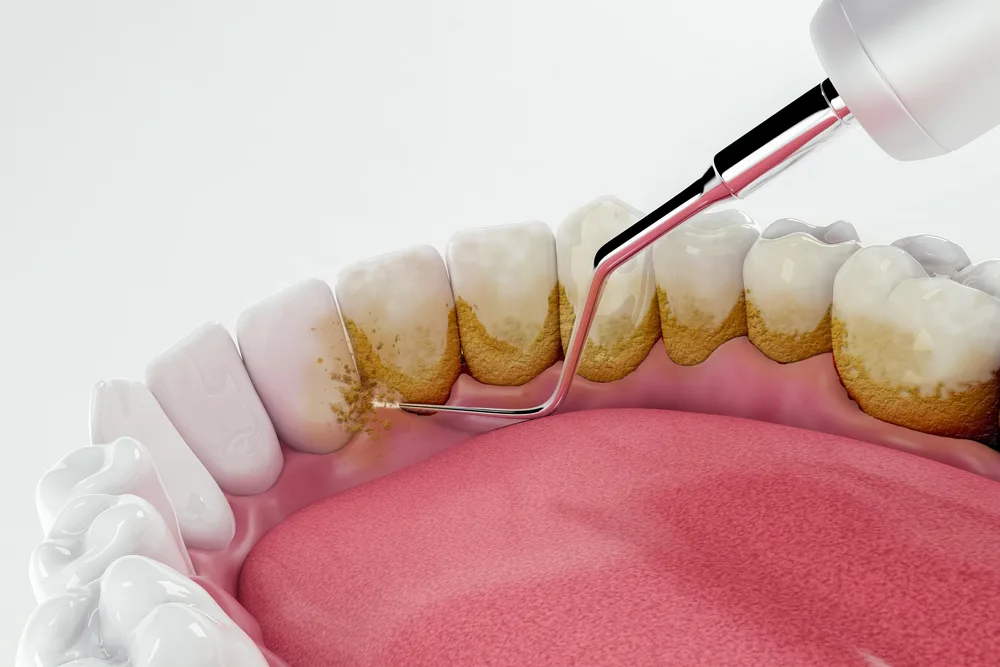
Plaque is a sticky bacterial film that forms continually on the teeth. Daily brushing and flossing remove much of it, but some areas are difficult to reach consistently. When plaque remains in place, it can harden into tartar, also called calculus.
Tartar cannot be removed safely with ordinary brushing. It tends to collect near the gumline, behind the lower front teeth, between crowded teeth, and around dental restorations. Professional instruments are used to remove it without asking patients to scrape their own teeth at home.
A routine dental cleaning may include:
- Removing plaque from the teeth
- Scaling away hardened tartar
- Cleaning along the gumline
- Polishing surface stains
- Flossing between the teeth
- Evaluating areas that are difficult to keep clean
- Reviewing home-care habits when improvement is needed
The purpose of a cleaning is not simply to make the teeth feel smooth. It helps reduce the bacterial buildup associated with cavities, gum inflammation, and bad breath.
Why Teeth Can Still Look Stained After Brushing
Brushing is essential, but it cannot correct every type of discoloration. Some stains remain attached to the tooth surface, while others exist within the enamel or deeper tooth structure.
Common causes of staining include:
- Coffee and tea
- Red wine
- Cola and other dark beverages
- Tobacco use
- Tomato-based sauces
- Dark berries
- Pigmented spices
- Normal aging
- Certain medications
- Previous injury to a tooth
- Changes within the tooth after root canal treatment
- Natural variations in enamel and dentin color
A dental cleaning can remove some external staining. Whitening is generally used when the natural tooth shade remains darker or more yellow than the patient would like after the teeth have been cleaned.
Dr. Alyesh also checks whether one tooth looks different from the others. A single gray, brown, or unusually dark tooth may need evaluation rather than routine whitening because the color change could be related to trauma, decay, or changes inside the tooth.
Dental Cleaning Before Whitening
Patients sometimes ask whether they can schedule whitening without having a cleaning first. That depends on the condition of the teeth and how recently the patient has received preventive care.
Cleaning first may be especially helpful when there is:
- Visible tartar buildup
- Gum inflammation
- Bleeding during brushing or flossing
- Significant surface staining
- Persistent bad breath
- A long gap since the last dental visit
- Plaque around crowns, fillings, or orthodontic appliances
Whitening over heavy plaque or tartar may produce an inconsistent cosmetic result. More importantly, active dental problems should be identified before whitening begins.
Dr. Alyesh wants cosmetic treatment to improve the smile without ignoring the health of the teeth underneath. If a cavity, leaking filling, exposed root, or irritated gum area is present, that issue may need attention first.
Routine Cleaning or Deep Cleaning?
A routine cleaning is designed for patients whose gums are generally healthy. It removes plaque and tartar from the teeth and around the gumline as part of preventive care.
A deep cleaning, also called scaling and root planing, is different. It is used when gum disease has created deeper pockets and bacterial buildup below the gumline. The treatment cleans the root surfaces and helps create a healthier environment for the gums to heal.
Signs that a routine cleaning may not be enough include:
- Deep periodontal pockets
- Bone loss
- Persistent bleeding
- Significant tartar below the gums
- Gum recession
- Loose teeth
- Ongoing inflammation related to periodontal disease
A patient should not choose between a regular and deep cleaning based only on price or convenience. Dr. Alyesh evaluates the gums and recommends the level of treatment that matches the condition present.
Whitening may be postponed when active gum disease is causing significant inflammation or sensitivity. Stabilizing oral health first usually creates a safer and more comfortable cosmetic experience.
What Professional Teeth Whitening Does
Professional whitening uses a peroxide-based whitening agent to break apart stain molecules within the tooth enamel. This allows the teeth to reflect light differently and appear brighter.
Whitening is most effective on many common yellow or brown stains caused by food, beverages, tobacco, and aging. Results vary because every patient begins with a different natural shade and has a different type of discoloration.
Professional whitening may be appropriate for patients who:
- Have healthy teeth and gums
- Want a brighter natural tooth shade
- Have staining from coffee, tea, wine, or tobacco
- Have noticed gradual darkening with age
- Want to improve their smile before an event
- Have realistic expectations about the outcome
- Understand that restorations will not change color
Dr. Alyesh discusses the patient’s goals before treatment. Some people want a subtle refresh that looks completely natural. Others want the greatest reasonable improvement their teeth can safely achieve. The treatment plan should reflect that preference without promising an exact shade that cannot be guaranteed.
Whitening Does Not Change Every Dental Material
Whitening products are designed to affect natural tooth structure. They do not reliably lighten:
- Dental crowns
- Veneers
- Tooth-colored fillings
- Bonding
- Bridges
- Implant crowns
- Denture teeth
This is especially important when restorations are visible in the front of the mouth. If the surrounding natural teeth become noticeably lighter, existing dental work may no longer match.
Dr. Alyesh examines visible restorations before whitening and explains how they may affect the final appearance. In some cases, whitening is completed first and an old restoration is replaced afterward to coordinate with the new tooth shade. That decision depends on the condition of the restoration and the patient’s cosmetic priorities.
What Types of Stains May Not Respond Well?
Whitening can improve many smiles, but it is not the right solution for every type of discoloration.
Results may be more limited when staining is caused by:
- Certain medications taken during tooth development
- Deep gray or blue discoloration
- Severe fluorosis
- Significant enamel defects
- A dead or internally discolored tooth
- Existing crowns or veneers
- Very thin enamel that allows darker dentin to show through
Patients with these concerns may need a different cosmetic plan. Options could include bonding, veneers, crowns, internal whitening for certain root canal-treated teeth, or simply a more realistic expectation of the improvement whitening can provide.
Dr. Alyesh focuses on identifying the cause of the color before recommending the treatment. A whitening product cannot solve a problem that is not actually a surface or enamel shade issue.
Dental Cleaning for Bad Breath
Persistent bad breath is sometimes related to plaque, tartar, gum inflammation, food trapped between teeth, or a coating on the tongue. A professional cleaning may help when these oral conditions are contributing to the problem.
However, bad breath can have several causes, including:
- Gum disease
- Cavities
- Dry mouth
- Poorly fitting dental work
- Tobacco use
- Certain foods
- Tonsil stones
- Sinus concerns
- Medical conditions
- Some medications
A cleaning is helpful when oral buildup is part of the cause, but it is not a universal cure. Dr. Alyesh evaluates the teeth and gums and may recommend additional care if the odor continues despite good hygiene.
What to Expect During a Dental Cleaning
The appointment begins with an evaluation of the teeth and gums. The extent of the cleaning depends on the amount of buildup and the health of the supporting tissues.
During a routine cleaning, plaque and tartar are carefully removed from the teeth. The teeth may then be polished to smooth the surfaces and reduce some external staining. Flossing helps clean between the teeth and may reveal areas where home care could be improved.
Some patients experience mild tenderness when the gums are inflamed or when it has been a long time since the previous cleaning. Regular preventive visits often become easier as gum health improves and heavy buildup is kept under control.
Dr. Alyesh wants patients to understand what is being found rather than feel embarrassed about it. Many people delay dental care because of anxiety, finances, family responsibilities, or a difficult previous experience. The focus is on improving oral health from the current starting point.
What to Expect From Whitening Treatment
The exact process depends on the whitening option recommended. Professional treatment may involve an in-office application, a dentist-supervised take-home system, or another personalized approach.
Before whitening, the teeth and gums are evaluated. The starting shade may be documented so the patient and dentist can compare the result more accurately.
During an in-office treatment, the gums and soft tissues are protected before the whitening agent is applied to the teeth. The product remains in place for a controlled period and may be applied in stages depending on the system used.
For a take-home option, patients may receive custom trays and professional whitening material with instructions for when and how long to wear them. Following those directions matters because using more product or wearing it longer does not necessarily create a better result. It may simply increase sensitivity or irritate the gums.
Whitening Sensitivity and How It Is Managed
Temporary tooth sensitivity is one of the most common side effects of whitening. Patients may notice brief reactions to cold air, water, or food during or shortly after treatment.
Sensitivity is more likely in patients who already have:
- Exposed tooth roots
- Gum recession
- Thin enamel
- Small cracks
- Existing sensitivity
- Recent dental work
- A history of whitening discomfort
Dr. Alyesh may recommend adjusting the frequency or length of treatment, using a sensitivity toothpaste, or delaying whitening until another dental concern has been addressed.
Gum irritation can also occur if whitening material contacts the soft tissues. Professionally supervised treatment helps reduce this risk by using properly fitted trays, controlled application, and clear instructions.
Cleaning and Whitening Before a Special Event
Many patients consider whitening before a wedding, graduation, reunion, professional photo session, vacation, or important celebration. Planning ahead is usually better than whitening the night before.
A thoughtful timeline allows time for:
- A dental exam
- Professional cleaning
- Treatment of any cavities or gum irritation
- Whitening sessions
- Sensitivity to settle
- Additional touch-ups if appropriate
- Replacement of a visible restoration if needed
The ideal schedule depends on the whitening method and the condition of the teeth. Dr. Alyesh can help plan treatment around the event so the process does not feel rushed.
Maintaining a Cleaner, Brighter Smile
Whitening results are not permanent because teeth continue to encounter food, beverages, and normal aging. However, daily habits can influence how quickly stains return.
Helpful steps include:
- Brushing twice daily with fluoride toothpaste
- Flossing every day
- Scheduling routine dental cleanings
- Rinsing with water after staining drinks
- Drinking coffee or tea within a shorter period rather than sipping all day
- Avoiding tobacco
- Using a straw for some cold staining beverages
- Cleaning the tongue
- Following touch-up instructions
- Addressing dry mouth
Patients do not necessarily have to eliminate every food or drink that causes staining. Consistent hygiene and periodic maintenance can help preserve the result while allowing a normal lifestyle.
Whitening Toothpaste vs. Professional Whitening
Whitening toothpaste mainly helps remove or reduce surface staining through polishing or stain-control ingredients. It may help maintain a cleaner appearance, but it generally does not change the internal shade of the teeth as significantly as peroxide-based whitening.
Some whitening toothpastes are more abrasive than standard formulas. Overuse or aggressive brushing may contribute to sensitivity or wear, especially near exposed roots.
Professional whitening is designed to produce a more noticeable shade change and is selected after the teeth and gums have been evaluated. Dr. Alyesh can recommend a toothpaste based on cavity risk, sensitivity, stain level, and the condition of the enamel rather than choosing a product solely because it says “whitening” on the label.
Why Home Remedies Can Create Problems
Online whitening advice often includes charcoal, acidic fruit, baking soda mixtures, peroxide rinses, or other household ingredients. Some methods may temporarily change surface appearance, but they can also irritate the gums or wear the enamel when used incorrectly.
Enamel does not grow back once it has been significantly worn away. A treatment that makes the teeth look brighter by roughening or thinning the surface is not a healthy long-term solution.
Patients should also be cautious with unregulated whitening products sold online. The concentration, ingredients, fit, and instructions may be unclear. Dr. Alyesh can help patients choose a safer approach based on the condition of their teeth.
Can Cleaning Make Teeth Look Whiter Without Bleaching?
Yes, especially when the dull appearance comes from plaque, tartar, and surface stains. Polishing may remove discoloration caused by coffee, tea, tobacco, and certain foods, revealing the natural enamel underneath.
However, cleaning does not change the natural color of the enamel. If the teeth remain darker than the patient would like after buildup has been removed, whitening may be needed for a more noticeable shade change.
This is one reason cleaning first is helpful. Patients can see how much improvement comes from removing external deposits before deciding how much additional whitening they want.
A Personalized Approach to Smile Improvement
Patients sometimes feel that cosmetic dental care will be focused only on appearance. Dr. Alyesh takes a broader approach. A bright smile should also be healthy, comfortable, and maintainable.
Before recommending whitening, he considers:
- Gum health
- Cavity risk
- Existing sensitivity
- Visible fillings or crowns
- The type of staining
- The patient’s natural tooth shade
- Oral hygiene
- Previous whitening experiences
- The desired level of improvement
With more than 10 years of experience, Dr. Alyesh provides preventive, restorative, cosmetic, implant, endodontic, and surgical dental care. This allows patients to address the health of their mouths and the appearance of their smiles through one coordinated treatment plan.
Credit Family Dentistry also welcomes English- and Spanish-speaking patients and works to make care clear, comfortable, and approachable for families throughout the surrounding San Fernando Valley.
Dental Cleaning and Whitening Near Arleta, CA
Credit Family Dentistry is located nearby in Panorama City and welcomes patients from Arleta and surrounding communities. Patients can receive preventive cleanings, periodontal evaluations, dental exams, digital imaging, fillings, crowns, veneers, whitening, and other general and cosmetic services through the same practice.
Combining cleaning and whitening can be a practical choice for patients who want to improve their oral health and refresh their appearance. The first step is determining what is making the teeth look dull and whether the gums and enamel are healthy enough for whitening.
Schedule Dental Cleaning & Whitening Near Arleta, CA
If your teeth feel overdue for a professional cleaning or you want a brighter, more confident smile, call Dr. Alyesh at (818) 895-1321 to schedule an appointment. We will evaluate your teeth and gums, remove plaque and tartar, discuss the cause of your discoloration, and explain whether professional whitening is right for you.
A cleaner and brighter smile does not need to begin with guesswork or harsh products. Let our nearby dental team help you build a personalized plan that supports both oral health and natural-looking cosmetic improvement.