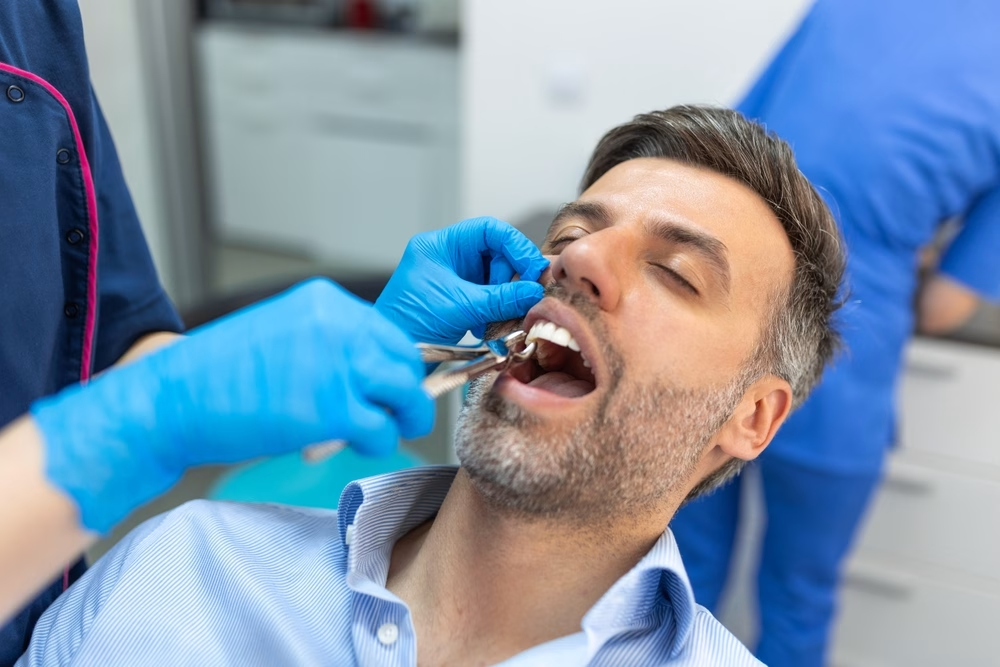



A tooth extraction is usually not the first choice. Most patients want to save their natural teeth whenever possible, and Dr. Alyesh shares that goal. But when a tooth is severely damaged, deeply decayed, infected, broken below the gumline, or too loose to function properly, removing it may be the healthiest step.
Family Credit Dentistry provides dental extractions near Granada Hills, CA for patients who need relief, answers, and gentle care. Whether you have a painful toothache, a broken tooth, swelling, an infected tooth, or a tooth that another dentist said may need removal, Dr. Alyesh can evaluate the situation and help you understand your options.
The goal is not to rush into extraction. The goal is to determine whether the tooth can be saved and, if not, remove it as comfortably and safely as possible. Dr. Alyesh takes time to explain what he sees, why a tooth may need to come out, what the procedure involves, and what can be done afterward to restore your smile and bite.
Family Credit Dentistry welcomes patients from Granada Hills, Panorama City, North Hills, Van Nuys, Arleta, Mission Hills, Pacoima, San Fernando, and nearby San Fernando Valley communities.
Call Dr. Alyesh at (818) 895-1321 to schedule an appointment.
When Is a Dental Extraction Needed?
A dental extraction may be recommended when a tooth cannot be repaired in a healthy, stable, and predictable way. Sometimes a tooth can be saved with a filling, crown, root canal, or gum treatment. Other times, the damage is too advanced and removing the tooth is the better long-term decision.
Severe decay is one of the most common reasons for extraction. If a cavity is small, a filling may be enough. If the decay reaches deeper into the tooth, a root canal and crown may be needed. But when too much tooth structure is lost, there may not be enough healthy tooth left to rebuild.
A tooth may also need to be removed if it is broken in a way that cannot be restored. Some chips and cracks can be repaired. A fracture that extends below the gumline or travels down the root can make the tooth unstable and painful.
Advanced gum disease can also lead to tooth removal. When the bone and gum support around a tooth are severely damaged, the tooth may become loose or painful when chewing. If the tooth no longer has enough support, extraction may be needed to protect the surrounding area.
Signs You May Need a Tooth Removed
A dental exam and X-rays are needed to know whether a tooth should be extracted, but certain symptoms are warning signs that you should not ignore. Persistent tooth pain, swelling, a gum bump, bad taste, facial swelling, pain when biting, or a tooth that feels loose can all point to a serious dental problem.
A broken tooth should also be checked quickly, even if the pain is mild. Sometimes a tooth breaks because decay has weakened it from the inside. In other cases, an old filling, crack, or past trauma leaves the tooth vulnerable. Waiting can allow bacteria to move deeper into the tooth or gum tissue.
A loose adult tooth is another reason to schedule an appointment. Adult teeth should not move easily. Looseness may be related to gum disease, trauma, infection, or bone loss. Some loose teeth can be treated, but others may need to be removed if they cannot be stabilized.
Pain that comes and goes should still be evaluated. A tooth infection may flare, calm down, and return later. Temporary relief does not always mean the problem has healed. Dr. Alyesh can examine the tooth and explain whether saving it is realistic.
Emergency Dental Extractions Near Granada Hills
Dental emergencies can be stressful because the pain often interrupts sleep, eating, work, and daily life. If a tooth is badly infected, broken, or decayed, emergency dental care may be needed. In some cases, an extraction is the best way to stop the source of pain and prevent the problem from getting worse.
An emergency extraction may be recommended when a tooth cannot be saved and leaving it in place would continue the pain or increase the risk of infection. Even during an urgent visit, Dr. Alyesh will examine the tooth and explain the reason for treatment before moving forward.
Common reasons for emergency extraction include severe decay, a broken tooth that cannot be restored, a painful abscess, advanced gum disease, failed dental work, or a tooth that is too loose to function. If infection or swelling is present, Dr. Alyesh will determine the safest timing and approach.
If you are near Granada Hills and have severe tooth pain, swelling, or a broken tooth, do not wait until the problem becomes harder to treat. Call Family Credit Dentistry and explain your symptoms so the team can help you take the next step.
Simple vs. Surgical Tooth Extractions
Not all tooth extractions are the same. The type of extraction depends on the tooth’s condition, position, roots, surrounding bone, and whether the tooth is fully visible above the gumline.
A simple extraction is usually performed when the tooth can be seen in the mouth and removed without surgical access. The area is numbed, the tooth is gently loosened, and the tooth is removed in a controlled way.
A surgical extraction may be needed when the tooth is broken at the gumline, impacted, trapped under gum tissue, or difficult to access. A surgical extraction may involve making a small opening in the gum tissue or removing the tooth in sections.
Dr. Alyesh reviews X-rays before recommending the approach. This helps him understand the roots, bone, infection, and nearby structures. It also helps patients know what to expect before treatment begins.
Does a Tooth Extraction Hurt?
During a tooth extraction, the area is numbed so you should not feel sharp pain. You may feel pressure, movement, or vibration, but the goal is to keep you comfortable throughout the procedure. If something does not feel right, Dr. Alyesh wants patients to communicate.
After the numbness wears off, soreness is normal. The amount of discomfort depends on the tooth, the complexity of the extraction, whether infection was present, and how your body heals. Dr. Alyesh will give instructions for managing soreness, swelling, bleeding, and activity after the visit.
Many patients feel relief after the problem tooth is removed. A badly infected, cracked, or decayed tooth can create constant pressure and pain. Once the source of the problem is gone and healing begins, the area can finally start to settle.
Dr. Alyesh is known for his gentle approach, attention to detail, and focus on comfortable dental care. That matters, especially when a patient is already nervous or in pain.
What Happens During a Tooth Extraction Appointment?
Your appointment begins with a conversation about your symptoms. Dr. Alyesh will ask where the pain is, when it started, whether it is constant, and whether you have noticed swelling, bad taste, sensitivity, or pain when chewing. He will also review your medical history, medications, allergies, and past dental experiences.
X-rays are usually needed before an extraction. They help show the roots, surrounding bone, nearby teeth, and any signs of infection. A tooth may look straightforward in the mouth but have curved roots, bone loss, or a deeper fracture that changes the plan.
After the exam, Dr. Alyesh will explain whether the tooth can be saved or whether extraction is recommended. If removal is the best option, he will explain what to expect and answer questions before beginning.
The area is numbed thoroughly. The tooth is then loosened and removed as carefully as possible. After the extraction, gauze is placed to help a protective blood clot form. This clot is important because it supports healing inside the socket.
Tooth Extraction Aftercare
Good aftercare helps the extraction site heal properly. The first goal is to protect the blood clot that forms in the socket. This clot works like a natural bandage and helps the gum and bone heal underneath.
For the first day, you should rest and follow the instructions from Dr. Alyesh and the team. Avoid strenuous activity, smoking, forceful spitting, aggressive rinsing, and drinking through a straw. These actions can disturb the clot and increase the risk of dry socket.
Soft foods are usually best at first. Good choices may include yogurt, applesauce, mashed potatoes, scrambled eggs, oatmeal, pasta, rice, and lukewarm soup. Avoid hot, crunchy, spicy, hard, or chewy foods until the area is healing well.
You should still keep your mouth clean, but gently. Brush and floss the rest of your mouth as directed while being careful near the extraction site. Dr. Alyesh will explain when and how to rinse and when it is safe to brush closer to the area.
What Is Dry Socket?
Dry socket is a painful complication that can happen after a tooth extraction. It occurs when the protective blood clot does not form properly, dissolves too early, or becomes dislodged. When that clot is missing, the bone and nerves inside the socket can become exposed.
Dry socket pain is usually stronger than normal post-extraction soreness. It often starts a few days after the procedure and may feel sharp, throbbing, or radiating toward the ear, temple, jaw, or neck. Some patients also notice bad breath, bad taste, or an empty-looking socket.
Following aftercare instructions can help lower the risk. Avoiding smoking, straws, forceful rinsing, and heavy activity during the early healing period helps protect the clot.
If pain gets worse instead of better after a few days, call Family Credit Dentistry. Dr. Alyesh can evaluate the area and recommend care to relieve discomfort and support healing.
When Should You Call After a Tooth Extraction?
You should call the office if you have heavy bleeding that does not slow down, severe pain that is not improving, swelling that gets worse after a few days, fever, pus, difficulty swallowing, difficulty breathing, or numbness that does not improve.
You should also call if something simply feels off. Many patients are not sure what is normal after an extraction, and that is understandable. Early guidance can prevent unnecessary worry and help catch problems sooner.
Some bleeding, swelling, and soreness can be normal after a tooth extraction. The key is that symptoms should gradually improve. If they are getting worse, the area should be checked.
Dr. Alyesh and the team want patients to feel supported after treatment. Aftercare is part of the process, not an afterthought.
Should You Replace a Tooth After Extraction?
In many cases, a removed tooth should be replaced. This is especially true when the tooth is not a wisdom tooth and plays a role in chewing, bite support, or smile appearance. Replacing a missing tooth can help protect your bite and prevent nearby teeth from shifting.
When a tooth is removed and not replaced, neighboring teeth may drift into the open space. The opposing tooth may also move because it no longer has a tooth to bite against. Over time, this can affect chewing, spacing, bite balance, and oral health.
Replacement options may include a dental implant, dental bridge, or partial denture. The best choice depends on the location of the missing tooth, gum health, bone support, budget, timeline, and personal preference.
Dr. Alyesh can discuss replacement options before the extraction whenever possible. Planning ahead is especially important if you are interested in a dental implant, because the condition of the extraction site can affect future treatment.
Dental Implants After Tooth Extraction
Dental implants are one of the most popular ways to replace missing teeth because they replace the tooth root as well as the visible tooth. An implant can help restore chewing function and support a natural-looking replacement tooth.
Not every extraction site is ready for an implant right away. The timing depends on infection, bone quality, tooth location, gum health, and the overall treatment plan. Some patients need healing time before implant placement. Others may need a bone graft to support the area.
Because Dr. Alyesh provides dental implants and oral surgery, he can help patients think beyond the extraction itself. If a tooth needs to come out, the next question is often how to replace it in a way that supports long-term function and confidence.
If you already know you want to replace the tooth, bring that up during your consultation. Dr. Alyesh can explain what options may be available and how extraction can be planned with the future restoration in mind.
Can a Tooth Be Saved Instead?
Sometimes patients come in expecting a tooth extraction and learn that the tooth may still be saved. Other times, they hope to avoid extraction, but the damage is too advanced. Dr. Alyesh’s role is to give an honest recommendation based on the condition of the tooth.
A tooth may be saved with a filling if the decay is limited. A crown may be recommended if the tooth is cracked or weakened but still has enough structure. A root canal may be needed if the nerve is infected but the tooth can still be restored. Gum treatment may help if the problem is related to periodontal disease.
A tooth is less likely to be saved when there is a vertical root fracture, severe bone loss, deep decay below the gumline, major mobility, or too little healthy structure left to support a restoration. In those cases, extraction may be the more predictable and healthier option.
Patients appreciate that Dr. Alyesh explains the difference between what is technically possible and what is wise long term. A tooth can sometimes be patched temporarily, but if the prognosis is poor, removal and replacement may be the better path.
Tooth Extractions for Broken Teeth
A broken tooth does not always need to be removed. Small chips can often be repaired with bonding or a filling. Larger breaks may need a crown. If the break reaches deep below the gumline or splits the tooth, extraction may be needed.
Broken teeth are often more fragile than they look. A tooth may feel sharp or jagged, but the real issue may be deeper inside. X-rays and a dental exam help Dr. Alyesh determine whether the tooth still has enough structure to support a restoration.
If a broken tooth is painful, sensitive to temperature, or painful when biting, it should be evaluated quickly. These symptoms may mean the nerve is involved or the tooth has a deeper crack.
Dr. Alyesh will explain whether the tooth can be restored or whether extraction is the safer option. If removal is needed, he can also discuss replacement options so you are not left guessing about the next step.
Tooth Extractions for Infection
A tooth infection can happen when bacteria reach the inner nerve space of the tooth or the surrounding bone. This may be caused by deep decay, a crack, trauma, or a failed restoration. Symptoms may include throbbing pain, swelling, bad taste, a gum bump, fever, or tenderness when biting.
Some infected teeth can be saved with root canal therapy. If the tooth has enough healthy structure and the infection can be treated predictably, saving the tooth may be possible. If the tooth is too damaged, fractured, or unstable, extraction may be recommended.
Dental infections should not be ignored. Even if pain temporarily improves, the infection may still be present. Swelling, fever, or difficulty swallowing should be taken seriously.
Dr. Alyesh evaluates the tooth, surrounding bone, and overall health before recommending treatment. If extraction is needed, the goal is to remove the source of infection and help the area heal.
Extractions for Advanced Gum Disease
Gum disease can damage the tissues and bone that support the teeth. In early stages, gum disease may be treated with professional cleanings and improved home care. In advanced stages, the support around a tooth can become so weakened that the tooth loosens.
A loose tooth caused by advanced gum disease may be uncomfortable when chewing. It may also trap bacteria and contribute to ongoing inflammation. If the tooth cannot be stabilized, extraction may be recommended.
Dr. Alyesh evaluates gum health, bone levels, mobility, and the condition of nearby teeth before recommending removal. If extraction is needed, he can also discuss how to protect the remaining teeth and improve long-term oral health.
Removing one hopeless tooth may help reduce discomfort and create a better foundation for future treatment. The next step may include replacement planning, gum care, or a broader dental plan depending on the patient’s needs.
Why Choose Family Credit Dentistry for Dental Extractions Near Granada Hills?
Dental extractions require more than removing a tooth. They require judgment, careful technique, communication, comfort, and planning for what comes next. Dr. Alyesh brings over 10 years of experience and a gentle approach to patients who need oral surgery care near Granada Hills.
Family Credit Dentistry provides a wide range of services, including general dentistry, cosmetic dentistry, dental implants, endodontics, and oral surgery. This allows Dr. Alyesh to evaluate whether a tooth should be removed, whether it can be saved, and how the smile can be restored after extraction when needed.
Patients appreciate the welcoming and family-friendly environment. The team works to make each visit feel clear and supportive, especially for patients who are nervous or in pain. The office is also bilingual, serving both English-speaking and Spanish-speaking patients.
Modern dental technology, personalized treatment planning, and a calm chairside manner help make the process easier. Dr. Alyesh wants patients to understand their options and feel confident in the care they receive.
Schedule a Dental Extraction Near Granada Hills, CA
If you have a painful, broken, infected, loose, or badly damaged tooth, it is better to have it evaluated before the problem becomes more serious. Dental pain often gets worse when treatment is delayed, and infections can spread beyond the tooth.
Family Credit Dentistry provides gentle dental extractions near Granada Hills, CA for patients who need relief and clear guidance. Dr. Alyesh will examine the tooth, explain whether it can be saved, and recommend the best next step for your oral health.
Whether you need an urgent extraction, a surgical extraction, or a second opinion about a tooth that may need removal, the team is here to help. Family Credit Dentistry welcomes patients from Granada Hills, Panorama City, North Hills, Van Nuys, Arleta, Mission Hills, Pacoima, San Fernando, and nearby communities.
Call Dr. Alyesh at (818) 895-1321 to schedule an appointment.