


Tooth pain can take over quickly. It can make eating uncomfortable, interrupt your sleep, distract you during the day, and make even simple things like drinking coffee or chewing on one side feel difficult. For patients looking for root canals in Mission Hills, CA, Family Credit Dentistry provides comfort-focused root canal treatment nearby in Panorama City.
Led by Dr. Benjamin Alyesh, Family Credit Dentistry helps patients understand what is causing their tooth pain and whether root canal treatment may be the right way to save the natural tooth. A root canal may be recommended when the pulp inside a tooth becomes inflamed or infected because of deep decay, a crack, trauma, repeated dental work, or damage that reaches the inner part of the tooth.
Many patients feel anxious when they hear the words root canal. That is understandable, but root canal treatment is designed to relieve pain, remove infection from inside the tooth, and help preserve the tooth whenever possible. Dr. Alyesh takes time to explain what is happening, what the treatment involves, and what can be done to protect the tooth long term.
Root Canal Treatment Near Mission Hills
Family Credit Dentistry is located at 8628 Van Nuys Blvd #200 in Panorama City, making the office a convenient choice for patients coming from Mission Hills, North Hills, Pacoima, Arleta, Van Nuys, Granada Hills, San Fernando, Sylmar, and nearby San Fernando Valley communities. For Mission Hills patients near Sepulveda Boulevard, Rinaldi Street, San Fernando Mission Boulevard, Brand Boulevard, Devonshire Street, or nearby residential neighborhoods, the office is close enough to call when tooth pain needs attention.
Root canal treatment is often needed when a tooth problem has moved beyond the outer structure of the tooth. A filling can repair a cavity in the enamel or dentin, but a root canal treats inflammation or infection inside the tooth where the nerve tissue and blood vessels are located.
Dr. Alyesh begins with an exam and appropriate imaging to understand what is happening. From there, he can explain whether root canal treatment is recommended, whether the tooth may need a crown afterward, or whether another treatment would better protect your oral health.
What Is a Root Canal?
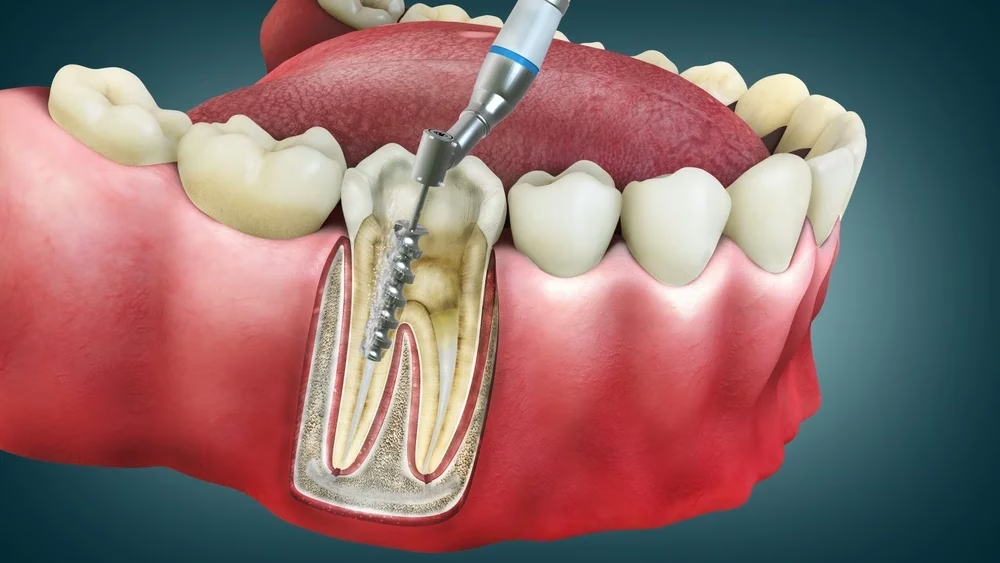
A root canal is a dental treatment used to remove infected or inflamed pulp from inside a tooth. After the damaged tissue is removed, the canals inside the tooth are cleaned, disinfected, shaped, filled, and sealed to help reduce the risk of reinfection. The American Association of Endodontists describes root canal treatment as a procedure that removes the pulp, cleans and shapes the canals, and seals the space.
The purpose of root canal treatment is to save the natural tooth when it can be saved predictably. Without treatment, an infected tooth may become more painful, develop swelling, affect the surrounding bone, or eventually need to be removed.
Root canal treatment is part of endodontic care, which focuses on the inside of the tooth. While the name can sound intimidating, the goal is simple, remove the source of pain and help the tooth function again.
Why a Tooth May Need a Root Canal
A tooth may need a root canal when bacteria reach the pulp. This can happen because of deep decay, a cracked tooth, a leaking filling, an old crown, repeated dental procedures, or trauma to the tooth.
Once the pulp becomes infected or severely inflamed, the tooth may not heal on its own. Pain may become more intense, swelling may develop, or the tooth may become sensitive to pressure, heat, or cold.
Dr. Alyesh evaluates the tooth carefully before recommending treatment. Some painful teeth can be treated with a filling, crown, gum care, or bite adjustment, but when the pulp inside the tooth is involved, root canal treatment may be the best way to save it.
Signs You May Need a Root Canal
Common signs that a tooth may need a root canal include severe pain when chewing or biting, lingering sensitivity to hot or cold, swollen or tender gums, a pimple-like bump on the gums, a cracked or chipped tooth, deep decay, or darkening of the tooth. The American Association of Endodontists lists several of these signs as possible indicators that root canal treatment may be needed.
Some patients feel a deep ache that spreads into the jaw, ear, or nearby teeth. Others feel sharp pain only when biting down, or sensitivity that lingers long after the temperature trigger is gone.
A tooth that suddenly stops hurting is not always healed. Sometimes the nerve tissue has become less responsive, but the infection may still remain, which is why an exam and X-rays are important when symptoms suggest a deeper tooth problem.
Tooth Pain That Should Not Be Ignored
Not every toothache means you need a root canal, but severe or persistent pain should be evaluated. Pain that wakes you up, gets worse when lying down, lingers after hot or cold drinks, or makes chewing difficult may be a sign that the pulp inside the tooth is inflamed or infected.
Swelling is especially important to take seriously. Gum swelling, facial swelling, pus, fever, or a bad taste in the mouth may suggest infection that needs prompt attention.
If swelling affects breathing or swallowing, spreads quickly, or is accompanied by fever and feeling seriously ill, seek emergency medical care immediately. For tooth-specific pain or localized swelling, call Family Credit Dentistry so Dr. Alyesh can evaluate the area and recommend the right next step.
Root Canal vs. Tooth Extraction
When a tooth is infected or badly damaged, many patients wonder whether it should be saved or removed. A root canal may be recommended when the tooth can still be restored and supported, while extraction may be needed if the tooth is cracked too deeply, severely loose, badly decayed, or no longer restorable.
Saving the natural tooth is often preferred when possible because the tooth helps maintain chewing function, bite balance, spacing, and jaw comfort. Removing a tooth may solve the immediate infection or pain, but it can create a new problem if the space is not replaced.
If extraction is necessary, Dr. Alyesh can discuss replacement options such as a dental implant, bridge, or denture. The goal is always to recommend the option that best protects comfort, function, and long-term oral health.
What Happens During Root Canal Treatment?
Root canal treatment usually begins with numbing the area so the tooth can be treated comfortably. Dr. Alyesh creates a small opening in the tooth to reach the infected or inflamed pulp inside.
The damaged pulp is removed, and the canals are cleaned, disinfected, and shaped. The canals are then filled and sealed, and a temporary or permanent restoration may be placed depending on the tooth and treatment plan.
Depending on the location of the tooth and how much natural structure remains, a dental crown may be recommended afterward. Back teeth handle heavy chewing forces, so they often need extra protection after root canal treatment.
Will a Root Canal Hurt?
Many patients are relieved to learn that root canal treatment is meant to relieve tooth pain, not make it worse. MouthHealthy from the American Dental Association explains that local anesthesia is used so patients should not feel the procedure, and that after treatment the pain from the infected tooth should no longer be felt in the same way.
Modern root canal care focuses on comfort. The infected or inflamed tissue inside the tooth is often the reason for the pain, and treatment removes that source of irritation.
Dr. Alyesh uses a gentle, explanatory approach so patients understand what is happening before treatment begins. For patients with dental anxiety, comfort options can be discussed based on the procedure, health history, and individual needs.
Why a Crown May Be Needed After a Root Canal
After a root canal, the tooth may need additional protection. This is especially true when the tooth had a large cavity, a crack, an old restoration, or significant loss of natural tooth structure before treatment.
A dental crown covers the visible portion of the tooth and helps restore strength, shape, and chewing function. Without enough protection, a root canal-treated tooth may be more vulnerable to fracture, especially if it is a molar or premolar used for heavy chewing.
Dr. Alyesh evaluates each tooth individually. Some front teeth may not require crowns depending on the amount of healthy structure remaining, while many back teeth benefit from crown protection after root canal therapy.
Root Canals for Cracked Teeth
A cracked tooth can sometimes require root canal treatment if the crack allows bacteria to reach the pulp or causes the nerve inside the tooth to become inflamed. Cracks can come from grinding, biting hard foods, trauma, large fillings, or weakened tooth structure.
Symptoms of a cracked tooth can include sharp pain when biting, sensitivity to temperature, pain that comes and goes, or discomfort that is difficult to locate. Because cracks are not always easy to see, imaging and careful testing may be needed.
If the crack has not extended too far, root canal treatment and a crown may help save the tooth. If the crack reaches below the gumline or into the root, extraction may be necessary, and Dr. Alyesh can explain what the tooth’s condition allows.
Root Canals for Dental Abscesses
A dental abscess can occur when infection from inside the tooth spreads to the surrounding tissue. This may cause pain, swelling, pressure, pus, a bad taste, tenderness, or a pimple-like bump on the gums.
Root canal treatment may be used to remove the infection from inside the tooth when the tooth can still be saved. In some cases, additional care may be needed depending on the severity of the infection and the condition of the surrounding bone.
An abscess should not be ignored. Even if pain temporarily improves, the infection may remain, so Dr. Alyesh can evaluate the tooth and determine whether root canal treatment, extraction, medication, or another approach is needed.
Root Canal Retreatment
In some cases, a tooth that already had root canal treatment can become painful or infected again. This may happen if the tooth develops a new cavity, a restoration leaks, a canal was difficult to fully clean, or the tooth cracks after treatment.
Root canal retreatment may be possible depending on the condition of the tooth and the reason for the new infection. In other cases, extraction and tooth replacement may be more predictable.
Dr. Alyesh can examine the tooth, review imaging, and explain whether retreatment, restoration, or replacement is the better path. The right decision depends on whether the tooth can still function comfortably and reliably over time.
Recovery After Root Canal Treatment
After root canal treatment, some soreness or tenderness can be normal for a short period, especially if the tooth was painful or infected before treatment. The area may feel sensitive when chewing while the surrounding tissues calm down.
Dr. Alyesh provides aftercare instructions based on the specific treatment. Patients may be advised to avoid chewing hard foods on the treated tooth until the final restoration is completed, especially if the tooth needs a crown.
Follow-up care is important. If a crown or permanent restoration is recommended, completing that step helps protect the tooth and reduce the risk of future fracture or reinfection.
How Long Can a Root Canal-Treated Tooth Last?
A root canal-treated tooth can last many years when it is properly restored and maintained. Long-term success depends on the condition of the tooth, the quality of the final restoration, gum health, bite forces, home care, and regular dental visits.
Good brushing, flossing, cleanings, and exams all help protect the treated tooth. If a crown is recommended, placing it at the right time can help reduce the risk of fracture.
Dr. Alyesh helps patients understand how to care for the tooth after treatment. Root canal therapy is not only about getting out of pain, it is about keeping the natural tooth functioning for as long as possible.
Root Canal Treatment and Dental Emergencies
Root canal treatment is often connected to emergency dental care because infected teeth can become painful quickly. A tooth that has been sensitive for weeks may suddenly become severe, while a cracked tooth or abscess may create pain that cannot wait.
Family Credit Dentistry provides urgent dental evaluations for tooth pain, swelling, infection, cracked teeth, and other concerns that may require root canal therapy. Dr. Alyesh can determine whether root canal treatment is appropriate or whether another treatment is needed.
For Mission Hills patients, having a nearby office that can evaluate tooth pain and provide related services such as crowns, fillings, extractions, and imaging can make care easier and more efficient.
Root Canal Treatment in a Bilingual Dental Office
Dental pain is stressful enough without feeling confused about the diagnosis or treatment plan. Family Credit Dentistry is a bilingual office serving English-speaking and Spanish-speaking patients, helping more families feel comfortable asking questions and understanding their options.
This matters during root canal treatment because patients often want to know why the tooth hurts, whether it can be saved, whether the procedure will be painful, and what happens afterward. Clear communication helps make those decisions easier.
Dr. Alyesh takes time to explain the process in a calm, supportive way. Patients should feel informed, not rushed, before moving forward with treatment.
Why Mission Hills Patients Choose Family Credit Dentistry
Mission Hills patients choose Family Credit Dentistry because the office is nearby, comprehensive, and focused on comfort. Root canal treatment often connects with other dental needs, including exams, X-rays, fillings, crowns, extractions, dental implants, bridges, and emergency dental care.
Dr. Alyesh brings more than 10 years of experience and provides general dentistry, cosmetic dentistry, dental implants, endodontics, and oral surgery. His wide service range allows patients to receive a complete evaluation and understand the full set of options for saving or restoring a tooth.
The goal is to help patients move from pain and uncertainty to clarity and relief. Whether the tooth can be saved with root canal treatment or needs another solution, Dr. Alyesh can explain the best path forward.
Schedule Root Canal Treatment Near Mission Hills, CA
If you are looking for root canals in Mission Hills, CA, Family Credit Dentistry is here to help. Whether you have severe tooth pain, lingering sensitivity, swelling, a cracked tooth, or have been told you may need a root canal, Dr. Alyesh can evaluate the tooth and explain your options.
Family Credit Dentistry is located at 8628 Van Nuys Blvd #200 in Panorama City, CA 91402, close to Mission Hills and nearby San Fernando Valley communities. Call (818) 895-1321 to schedule an appointment and get help for tooth pain before the problem becomes worse.