


Wisdom teeth can create problems at the worst possible time. One week you may feel only mild pressure behind your back molars, and the next week you may notice swelling, jaw soreness, bad taste, or pain when chewing. For patients in North Hills, wisdom teeth removal may be the right step when third molars become painful, impacted, infected, or difficult to keep clean.
Family Credit Dentistry provides wisdom teeth removal near North Hills, CA with a calm, patient-first approach. Dr. Alyesh takes time to examine the area, review dental X-rays, explain what is happening, and help patients understand whether removal is needed. Some wisdom teeth can be monitored. Others are better removed before they lead to repeated pain, gum infection, cavities, or damage to nearby teeth.
Wisdom teeth, also called third molars, usually develop in the late teen years or early adulthood. When there is enough room, they may come in normally. When there is not enough space, they may become impacted, partially erupted, or angled toward the neighboring molars. That is when wisdom teeth often become a problem.
Dr. Alyesh understands that oral surgery can make patients nervous. His goal is to keep the experience clear, comfortable, and as stress-free as possible. Whether you are a parent bringing in a teen, a college student home for a break, or an adult who has dealt with recurring wisdom tooth pain for years, the first step is a careful evaluation.
Family Credit Dentistry serves patients from North Hills, Panorama City, Van Nuys, Mission Hills, Pacoima, Arleta, Granada Hills, and nearby San Fernando Valley communities.
What Are Wisdom Teeth?
Wisdom teeth are the third set of molars at the very back of the mouth. Most people develop them between the ages of 17 and 25, although some people get them earlier, later, or not at all. Some patients have all four wisdom teeth, while others may have fewer.
A wisdom tooth is not automatically a problem. If it grows in straight, has enough space, stays healthy, and can be cleaned properly, it may not need to be removed. The challenge is that many mouths do not have enough room for third molars to erupt in a healthy position.
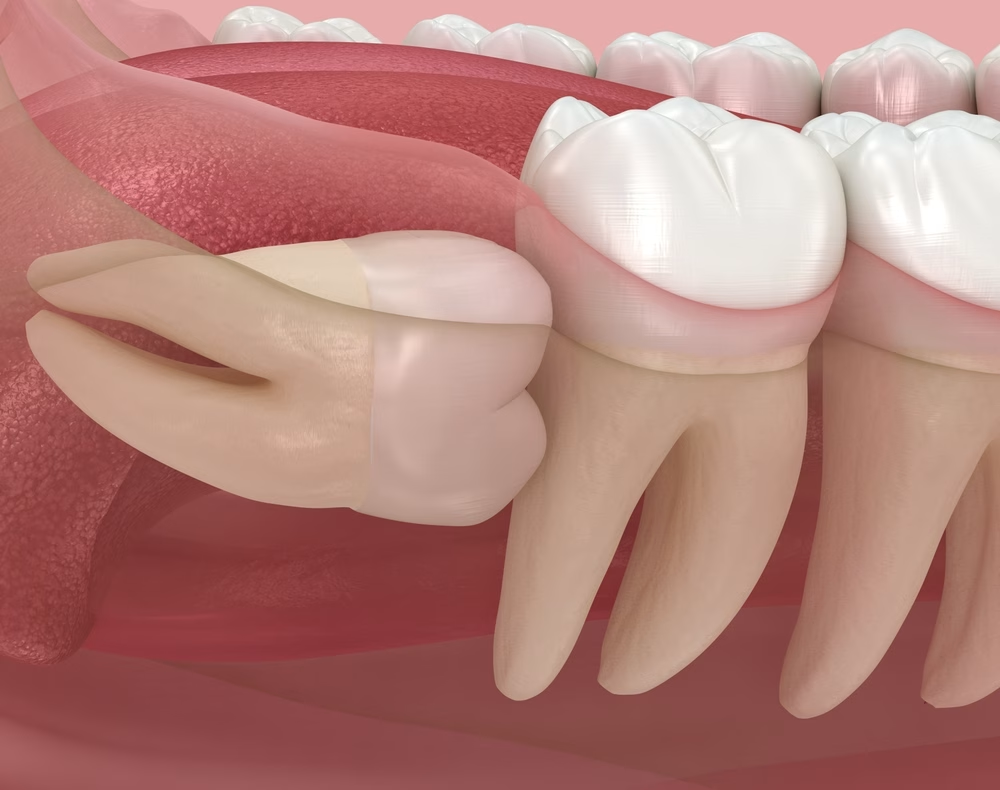
When a wisdom tooth gets trapped under the gum or bone, it is called impacted. When only part of it breaks through the gum, it is partially erupted. Both situations can make the area hard to clean and easier for bacteria to collect.
Dr. Alyesh uses an exam and dental X-rays to understand the position of the wisdom teeth. This helps him determine whether a tooth can be watched, whether it is likely to cause future issues, or whether removal is the safest choice.
When Do Wisdom Teeth Need to Be Removed?
Wisdom teeth may need to be removed when they cause pain, infection, swelling, decay, gum problems, or pressure against nearby teeth. They may also need removal when they are impacted or positioned in a way that makes future problems likely.
The ADA notes that wisdom teeth may need removal when there is evidence of pain, infection, cysts, tumors, damage to neighboring teeth, gum disease, or tooth decay that cannot be restored predictably. That does not mean every wisdom tooth should be removed automatically. It means the decision should be based on the patient’s symptoms, X-rays, oral health, and long-term risk.
Some wisdom teeth hurt only during flare-ups. A patient may feel pain for a few days, then feel fine again. That pattern can make it tempting to ignore the problem, but recurring inflammation often means the area is not staying healthy. Food and bacteria may be getting trapped around the tooth, especially if it is only partially erupted.
Dr. Alyesh looks at both current symptoms and future risk. If a wisdom tooth is creating problems now, removal may relieve pain and protect nearby teeth. If it is not painful but appears risky on X-rays, Dr. Alyesh will explain the findings so you can make an informed decision.
Signs You May Need Wisdom Teeth Removal
Wisdom tooth symptoms can be obvious, but they can also be subtle. Some patients feel dull pressure in the back of the mouth. Others feel pain that spreads toward the jaw, ear, cheek, or temple. Symptoms may be worse when chewing or when the gums around the tooth become swollen.
Common signs include pain behind the back molars, tender or swollen gums, jaw stiffness, bad breath, a bad taste in the mouth, swelling along the jawline, headaches related to jaw pressure, or difficulty opening the mouth comfortably. You may also notice that food gets stuck around the back tooth or that the gum tissue feels irritated in the same spot again and again.
Wisdom teeth can also create hidden issues. A tooth that looks only partially visible in the mouth may be angled under the gum. It can press into the second molar or create a pocket where bacteria collect. In some cases, cavities develop on the wisdom tooth or the tooth in front of it because the area is difficult to clean.
If you are in North Hills and these symptoms sound familiar, it is better to schedule an exam before the pain becomes severe. Dr. Alyesh can evaluate the area and let you know whether the tooth should be removed or monitored.
Impacted Wisdom Teeth Near North Hills
An impacted wisdom tooth is a wisdom tooth that does not fully erupt into the mouth. It may be blocked by bone, gum tissue, another tooth, or lack of space in the jaw. Impacted wisdom teeth can be painless for a while, but they can still create long-term problems.
There are different types of impaction. A soft tissue impaction means gum tissue covers part of the tooth. A partial bony impaction means part of the tooth is covered by bone. A complete bony impaction means the tooth is fully surrounded by bone. The position and depth of the impaction affect how the tooth is removed.
Some wisdom teeth tilt forward toward the second molar. Others tilt backward, sit sideways, or remain trapped below the gumline. These positions can increase the chance of pain, infection, decay, or pressure on nearby teeth.
Dr. Alyesh reviews X-rays carefully before recommending treatment. He explains the type of impaction, the level of difficulty, and what to expect during and after removal. Patients should never feel like they are being rushed into oral surgery without understanding why it is recommended.
Wisdom Teeth Removal for Teens and Young Adults
Teenagers and young adults are often evaluated for wisdom teeth because this is when third molars usually begin to develop and move. Parents in North Hills may hear about wisdom teeth during a routine dental visit, orthodontic visit, or after their teen starts feeling pressure near the back of the jaw.
An early wisdom tooth evaluation can be helpful even if there is no pain. X-rays can show whether the teeth have room to erupt or whether they are angled in a way that may cause future problems. Early planning can also make scheduling easier around school, sports, work, and family obligations.
For some teens, Dr. Alyesh may recommend monitoring the teeth. For others, removal may be recommended before the roots fully develop or before the teeth become painful. The right timing depends on the patient’s age, symptoms, tooth position, root development, medical history, and comfort level.
Parents appreciate having a clear explanation. Dr. Alyesh walks families through the reasons for treatment and helps them understand what recovery may look like. The goal is to make the decision feel informed, not pressured.
Wisdom Teeth Removal for Adults
Not everyone has wisdom teeth removed as a teenager. Many adults still have one or more wisdom teeth and may not think about them until pain, swelling, decay, or gum irritation appears. Adult wisdom teeth can sometimes become problematic after years of feeling normal.
Adults may need wisdom teeth removed if they develop cavities, become infected, damage nearby teeth, or cause repeated inflammation. Sometimes the tooth itself is not easy to restore because it is too far back in the mouth or partially covered by gum tissue.
Adult extractions may require more planning because the roots are fully formed and the surrounding bone may be denser. That does not mean treatment has to be overwhelming. It means the exam, X-rays, and treatment plan are especially important.
Dr. Alyesh evaluates each case individually. If removal is recommended, he explains the process, recovery expectations, and any factors that may make the procedure more involved. For nervous patients, this clear communication can make a major difference.
What Happens During a Wisdom Teeth Consultation?
A wisdom teeth consultation starts with a conversation. Dr. Alyesh will ask about your symptoms, when they started, whether pain comes and goes, and whether you have noticed swelling, bad taste, difficulty chewing, or jaw stiffness. He will also review your dental and medical history.
Next, the team will take any needed X-rays to see the wisdom teeth clearly. X-rays help show whether the teeth are erupted, partially erupted, impacted, angled, or close to important structures. They also help Dr. Alyesh see whether nearby teeth have been affected.
After the exam, Dr. Alyesh will explain what he sees and what your options are. He may recommend removal, monitoring, or treatment for an infection or gum issue before moving forward. If the tooth is not causing a problem, he will tell you that too.
This visit is also a good time to ask questions. Patients often ask how many wisdom teeth should be removed, how long recovery takes, whether they can work or go to school afterward, and what foods they should have at home. Dr. Alyesh wants patients to feel prepared before treatment begins.
What Happens During Wisdom Teeth Removal?
The exact procedure depends on the position of the wisdom tooth. A fully erupted wisdom tooth may be removed more like a standard extraction. An impacted wisdom tooth may require a surgical approach, especially if it is covered by gum tissue or bone.
Before the procedure, the area is numbed for comfort. Dr. Alyesh will discuss what is appropriate for your specific case before treatment. Once the area is ready, he carefully loosens and removes the tooth. If the tooth is impacted, he may need to access it through the gum tissue and remove it in sections.
After the tooth is removed, the area is cleaned. Stitches may be placed if needed, and gauze is used to help a protective blood clot form. This blood clot is an important part of healing, which is why aftercare instructions matter so much. Dr. Alyesh explains what to expect before, during, and after the procedure. Patients are also given instructions for bleeding, swelling, diet, brushing, rinsing, medications, and warning signs to watch for at home.
Is Wisdom Teeth Removal Painful?
During wisdom teeth removal, the area is numbed so you should not feel sharp pain. You may feel pressure, movement, or vibration, but the goal is to keep you comfortable throughout the procedure. If something feels uncomfortable, Dr. Alyesh wants patients to communicate so adjustments can be made.
After the numbness wears off, soreness is normal. Some swelling, tenderness, and mild bleeding can also happen. The level of discomfort depends on how many teeth were removed, whether they were impacted, and how your body heals.
Many patients do well with rest, soft foods, cold compresses, and medication instructions provided by the office. Recovery is usually easiest when patients prepare ahead of time and follow aftercare directions closely. The biggest thing to remember is that pain should gradually improve. If pain becomes severe, starts getting worse after a few days, or is paired with bad taste, odor, fever, or swelling, you should call the office.
Recovery After Wisdom Teeth Removal
The first 24 hours after wisdom teeth removal are important. This is when the blood clot begins to form in the extraction site. You should rest, avoid strenuous activity, and follow the instructions given by Dr. Alyesh and the team.
Soft foods are usually recommended at first. Options may include yogurt, applesauce, mashed potatoes, scrambled eggs, oatmeal, smoothies eaten with a spoon, and lukewarm soup. Avoid hot foods and drinks early on because they can increase bleeding or irritation. You should also avoid crunchy, hard, spicy, or chewy foods until the area is healing well.
Do not drink through a straw during early recovery. The suction can disturb the clot and increase the risk of dry socket. Smoking should also be avoided because it can slow healing and raise the risk of complications. Gentle oral hygiene matters. You should avoid vigorous rinsing and spitting right after treatment, then follow the office’s instructions for brushing and saltwater rinses. Dr. Alyesh will give recovery instructions based on your procedure, because healing after one simple extraction can be different from healing after multiple impacted wisdom teeth are removed.
What Is Dry Socket?
Dry socket is a painful complication that can happen after a tooth extraction. It occurs when the protective blood clot in the socket becomes dislodged, dissolves too early, or does not form properly. When that clot is missing, the bone and nerves underneath can become exposed.
Dry socket pain often feels more intense than normal post-extraction soreness. It may start a few days after the procedure and may radiate toward the ear, temple, jaw, or neck. Some patients also notice a bad taste, bad breath, or an empty-looking socket. Not all pain after wisdom teeth removal is dry socket. Some soreness is normal. The concern is pain that becomes worse instead of better, especially after the first few days. If you think you may have dry socket, call Family Credit Dentistry. Dr. Alyesh can evaluate the area and recommend care to help relieve discomfort and support healing.
When Should You Call the Dentist After Wisdom Teeth Removal?
You should call the office if you have heavy bleeding that does not slow down, severe pain that is not improving, swelling that gets worse after a few days, fever, pus, difficulty swallowing, difficulty breathing, or numbness that does not improve.
You should also call if you are unsure whether your symptoms are normal. Patients sometimes wait because they do not want to bother the office, but early guidance can prevent small concerns from becoming bigger problems.
Dr. Alyesh and the team want patients to feel supported after the procedure. Aftercare is part of the treatment, not an afterthought. If something feels wrong, it is better to ask. The best recovery starts with preparation. Follow the instructions, keep soft foods ready, rest, avoid straws and smoking, and keep the area clean in the way Dr. Alyesh recommends.
Why Choose Family Credit Dentistry for Wisdom Teeth Removal Near North Hills?
Wisdom teeth removal requires skill, planning, and trust. Patients want to know their dentist understands the procedure, explains the treatment clearly, and cares about their comfort. Dr. Alyesh brings over 10 years of experience and a gentle approach to dental care.
Family Credit Dentistry provides general dentistry, cosmetic dentistry, dental implants, endodontics, and oral surgery. This broad range of services helps Dr. Alyesh look at wisdom teeth as part of the full mouth, not as a single isolated concern. He considers your bite, neighboring teeth, gum health, symptoms, and long-term oral health before recommending treatment.
Patients also appreciate the welcoming and family-friendly environment. The office is bilingual, serving both English-speaking and Spanish-speaking patients. Clear communication is especially important for oral surgery because patients need to understand their diagnosis, treatment plan, and recovery instructions.
If you are nervous, Dr. Alyesh will take the time to explain what is happening. If you are in pain, the team will help you understand the next step. If you are a parent making a decision for your teen, you can expect a thoughtful conversation and a clear plan.
Schedule Wisdom Teeth Removal Near North Hills, CA
Wisdom tooth pain should not be ignored. Even if symptoms come and go, the tooth may still be impacted, infected, decayed, or difficult to clean. An exam can help you understand whether the tooth needs to be removed or whether it can be monitored safely.
Family Credit Dentistry welcomes patients from North Hills and nearby communities, including Panorama City, Van Nuys, Mission Hills, Pacoima, Arleta, and Granada Hills. Whether you need a wisdom tooth evaluation, extraction, or guidance for a teen or young adult, Dr. Alyesh is ready to help. You deserve dental care that feels clear, gentle, and personal. Dr. Alyesh will examine your wisdom teeth, explain the findings, and help you choose the right next step for your smile and comfort. Call Dr. Alyesh at (818) 895-1321 to schedule an appointment.