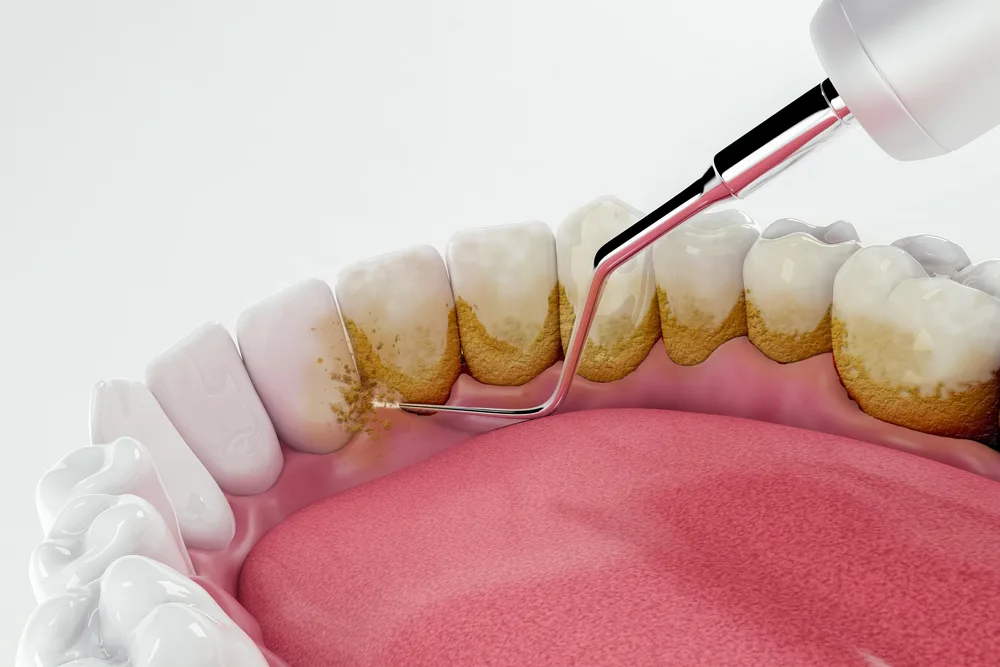



A smile may begin looking dull even when you brush every morning and night. Plaque can remain between crowded teeth, tartar can harden near the gums, and everyday favorites such as coffee, tea, dark sauces, and berries can leave stains behind. Teeth also tend to become less bright over time as the enamel changes and the warmer color beneath it becomes more visible.
Credit Family Dentistry provides dental cleaning and whitening for patients in Pacoima, CA who want to improve both the health and appearance of their smiles. Professional cleaning removes plaque, hardened tartar, and many external stains that cannot be eliminated with ordinary brushing. Teeth whitening can then lighten eligible natural enamel when patients want a brighter result than cleaning alone can provide.
Dr. Alyesh does not treat cleaning and whitening as a one-size-fits-all package. Some patients need a routine cleaning before cosmetic treatment. Others have gum inflammation that requires a different level of care. A patient may also have visible fillings, crowns, exposed roots, or a single dark tooth that will not respond to standard whitening in the same way as healthy natural enamel.
The process begins by understanding what is making the smile look dull and whether the teeth and gums are healthy enough for whitening. This creates a more comfortable, predictable, and natural-looking result.
Dental Cleaning and Whitening Accomplish Different Goals
Professional dental cleaning and whitening are complementary services, but they do not do the same thing. A cleaning removes physical deposits from the teeth, while whitening changes the shade of natural enamel.
A cleaning may remove:
- Soft plaque
- Hardened tartar
- Food residue
- Surface staining
- Buildup near the gumline
- Deposits between teeth
- Plaque around dental restorations
Whitening may improve:
- Yellowing caused by aging
- Coffee and tea discoloration
- Tobacco stains
- Dark beverage stains
- General dullness
- Brownish surface and enamel discoloration
- Natural tooth color that appears darker than desired
Patients may see a noticeable cosmetic improvement after cleaning because the original enamel becomes visible again. However, cleaning cannot bleach the tooth or change its internal color. Whitening is what produces a true shade change when the natural teeth remain darker after plaque, tartar, and stains have been removed.
Dr. Alyesh explains this distinction before treatment so patients know what each service can realistically accomplish.
Why Professional Teeth Cleaning Still Matters When You Brush Well
Good brushing and flossing are essential, but even patients with careful home routines can miss certain areas. Back molars, crowded teeth, the gumline, and tight spaces between teeth can be difficult to clean perfectly every day. Once plaque hardens into tartar, a toothbrush cannot remove it.
Tartar commonly collects:
- Behind the lower front teeth
- Between crowded teeth
- Near the gumline
- Around crowns and fillings
- Beside fixed retainers
- Near partially erupted teeth
- In areas where brushing is uncomfortable
Professional instruments are used to remove this hardened material safely. Attempting to scrape tartar away at home with metal tools or sharp objects can damage the gums, scratch the enamel, and create openings where bacteria collect more easily.
A routine cleaning may include an evaluation of the teeth and gums, removal of plaque and tartar, polishing, flossing, and guidance for areas that need more attention at home. The purpose is not only to make the teeth feel smooth. It is to reduce the bacterial buildup associated with cavities, gum inflammation, bad breath, and periodontal disease.
What Causes Teeth to Become Stained?
Tooth discoloration can develop on the surface, within the enamel, or deeper inside the tooth. Understanding the source matters because not every stain responds to the same treatment.
Common causes include:
- Coffee
- Black or green tea
- Red wine
- Dark soda
- Tobacco
- Berries
- Tomato-based sauces
- Strongly pigmented spices
- Plaque and tartar
- Natural aging
- Enamel thinning
- Certain medications
- Dental trauma
- Root canal treatment
- Enamel-development changes
External stains may improve through professional cleaning and polishing. Whitening can often lighten stains that have moved into the enamel. Deep internal discoloration, gray teeth, white spots, and restored teeth may require a different cosmetic approach.
Dr. Alyesh evaluates whether the concern is widespread or limited to one tooth. A single tooth that turns gray or dark should not simply be covered with whitening gel. It may have experienced trauma, internal changes, or loss of vitality that requires examination.
Can a Professional Cleaning Make Teeth Look Whiter?
Yes. Teeth often appear brighter after plaque, tartar, and surface stains are removed. This can be especially noticeable for patients who drink coffee or tea frequently, use tobacco, or have gone a long time between cleanings.
Polishing can reduce many external stains and reveal the natural color of the enamel underneath. However, the teeth may still look yellow or darker than the patient prefers because cleaning does not alter their natural shade.
This is why cleaning can be a useful first step. It allows patients to see how their smiles look after buildup has been removed. Some decide they are satisfied with the cleaner, fresher appearance. Others choose whitening because they want an additional shade improvement.
Why Cleaning Is Often Recommended Before Whitening
Whitening tends to produce a more consistent appearance when the teeth are clean. Plaque and tartar can cover portions of the enamel, while heavy surface staining can make it difficult to judge the true starting shade.
Cleaning first also gives Dr. Alyesh an opportunity to identify conditions that may cause sensitivity or uneven results, including:
- Cavities
- Cracked teeth
- Gum recession
- Exposed roots
- Leaking fillings
- Loose dental work
- Inflamed gums
- Periodontal disease
- Significant enamel wear
A patient who recently received a professional cleaning and maintains excellent oral health may not need another cleaning immediately before whitening. The decision depends on the condition of the mouth rather than a strict rule.
When the gums are tender after a cleaning or a large amount of tartar was removed, whitening may be scheduled for another day. Giving the tissues time to settle can create a more comfortable cosmetic experience.
Routine Cleaning or Deep Cleaning?
Patients sometimes schedule what they believe will be a regular cleaning and learn that they have gum disease requiring scaling and root planing. These are not interchangeable services.
A routine cleaning is preventive care for patients whose gums and supporting tissues are generally healthy. It removes plaque and tartar from the visible tooth surfaces and around the gumline.
Scaling and root planing is a deeper periodontal treatment used when bacteria and tartar have accumulated below the gums. It cleans the root surfaces and helps create a healthier environment for gum healing.
Signs that a deep cleaning may be necessary include:
- Deep periodontal pockets
- Bone loss
- Tartar beneath the gums
- Persistent bleeding
- Swollen or tender gums
- Gum recession
- Loose teeth
- Chronic bad breath related to gum disease
Whitening may need to wait until active gum inflammation is controlled. Cosmetic treatment should not distract from infection or expose already sensitive roots to additional irritation.
Dr. Alyesh explains why a particular type of cleaning is recommended and what the findings mean for the patient’s long-term oral health.
How Professional Teeth Whitening Works
Professional whitening generally uses a peroxide-based material that enters the enamel and breaks apart stain molecules. As those concentrated stains become less visible, the teeth reflect light differently and appear brighter.
Whitening does not scrape away enamel or paint the teeth white. It changes the appearance of discoloration within eligible natural tooth structure.
Results vary because patients have different:
- Starting shades
- Enamel thicknesses
- Types of stains
- Levels of sensitivity
- Ages
- Dental restorations
- Whitening histories
- Cosmetic expectations
Yellow and many brown stains often respond more predictably than deep gray or blue discoloration. One tooth may also lighten differently from another because tooth structure is not identical throughout the mouth.
Dr. Alyesh discusses whether the patient wants a subtle refresh or a more noticeable transformation. A successful result should look brighter while still fitting naturally with the face, age, and overall smile.
Professional Whitening Options
Whitening may be completed through an in-office procedure, a professionally supervised take-home system, or a combination of both. The right option depends on the desired speed, sensitivity history, schedule, and type of discoloration.
In-Office Teeth Whitening
In-office whitening is performed in a controlled setting. The gums and soft tissues are protected before whitening material is applied to the teeth. The product may be used in timed applications while the response and comfort level are monitored.
This option may appeal to patients who want a noticeable improvement before:
- A wedding
- A graduation
- A family reunion
- A vacation
- A job interview
- Professional photographs
- A major celebration
The exact final shade cannot be guaranteed because natural teeth respond differently. A brighter result may be achieved in one appointment, although some patients may benefit from additional treatment or future touch-ups.
Professional Take-Home Whitening
Take-home whitening may use trays made to fit closely over the teeth. Patients place a small amount of professional gel into the trays and wear them according to the instructions provided.
This approach allows the color to improve gradually over several days or weeks. Patients can often reduce wear time or pause treatment if sensitivity develops. Custom trays may also be useful for future maintenance when appropriate.
Using extra gel does not make whitening work proportionally faster. It usually causes more overflow, gum irritation, and product waste.
Why Professional Whitening Is Different From Store-Bought Products
Over-the-counter strips and whitening toothpastes can improve mild staining for some patients. However, they are sold without first determining whether the patient has cavities, gum recession, exposed roots, cracks, or restorations that will not whiten.
Professional whitening includes the benefit of evaluation and personalization. Dr. Alyesh can consider:
- Whether whitening is appropriate
- Which stains are likely to respond
- Whether dental work will create a mismatch
- How sensitivity should be managed
- Whether the gums need treatment first
- Which method fits the patient’s timeline
- How often touch-ups may be reasonable
The strongest whitening product is not automatically the best choice. A gentler approach may create a better overall experience for a patient with thin enamel, exposed roots, or a history of significant sensitivity.
Crowns, Fillings, and Veneers Will Not Whiten
Whitening products are intended to lighten natural enamel. They do not reliably change the shade of most restorative materials.
Whitening generally will not alter:
- Dental crowns
- Veneers
- Composite fillings
- Cosmetic bonding
- Bridges
- Implant crowns
- Denture teeth
This can create a color difference when a patient has a visible filling or crown that currently matches the natural teeth. After whitening, the surrounding enamel may appear brighter while the restoration stays the same shade.
Dr. Alyesh checks visible dental work before treatment and explains what the patient can expect. In some cases, whitening is completed first and an old restoration is replaced afterward to coordinate with the new shade. The whitening result should be allowed to stabilize before the final replacement shade is chosen.
A healthy restoration should not be replaced unnecessarily, however. The amount of mismatch, condition of the dental work, cost, and patient’s priorities all need to be considered.
Whitening May Not Correct Every Type of Discoloration
Some teeth do not respond predictably to standard external whitening. This does not mean the patient has no cosmetic options. It means the source of the color needs to be understood.
Whitening may provide limited improvement when discoloration is related to:
- Deep gray or blue staining
- Certain medications
- Severe fluorosis
- Enamel-development defects
- Dental trauma
- A nonvital tooth
- Root canal-related darkening
- Very thin enamel
- Existing restorations
A darkened tooth after trauma may need vitality testing. A root canal-treated tooth may be a candidate for internal whitening. Other concerns may be improved with bonding, veneers, or crowns.
Dr. Alyesh recommends treatment based on the cause rather than repeatedly applying whitening material to a tooth that is unlikely to respond.
Tooth Sensitivity During Whitening
Temporary sensitivity is common during or after whitening. Patients may notice brief reactions to cold water, air, or food. The discomfort usually improves after treatment is paused or completed.
Sensitivity may be stronger in patients with:
- Gum recession
- Exposed roots
- Thin enamel
- Enamel erosion
- Existing sensitivity
- Small tooth cracks
- Recent dental work
- Aggressive previous whitening
Dr. Alyesh may recommend shorter sessions, more time between applications, sensitivity toothpaste, or another whitening method. Patients should not assume they must tolerate intense pain to achieve a worthwhile result.
Severe discomfort in one specific tooth may signal a cavity, crack, leaking filling, or another problem. Whitening should be stopped and the tooth evaluated if pain is sharp, persistent, or clearly localized.
Gum Irritation From Whitening Gel
Whitening material can irritate the gums if too much gel is used or if a tray does not fit properly. The affected tissue may temporarily look white, red, or sore.
Professional in-office treatment protects the gums before application. Take-home patients should use only the recommended amount of product and remove excess gel that reaches the soft tissues.
Applying more material does not create a better result. It may only increase discomfort and cause the gel to be swallowed or wasted.
If the gums remain irritated, whitening should be paused until the tissues recover and the tray or application technique can be evaluated.
Planning Whitening Before a Special Event
Patients often consider whitening shortly before an important event. Beginning earlier creates time for a dental exam, cleaning, treatment of any problems, gradual whitening, and sensitivity recovery.
A thoughtful timeline may include:
- A dental examination
- Professional cleaning
- Treatment of cavities
- Management of gum inflammation
- Whitening sessions
- Time for the final shade to stabilize
- A touch-up if appropriate
- Replacement of a visible restoration if needed
Teeth may appear especially bright immediately after whitening because the enamel becomes temporarily dehydrated. The shade usually settles as moisture returns. This is another reason not to schedule cosmetic dental work at the last possible moment.
Dr. Alyesh can help create a timeline that supports a bright smile without rushing treatment or overusing whitening products.
Keeping Teeth Brighter After Treatment
Whitening results gradually fade because the teeth continue to encounter foods, drinks, and habits that create staining. The rate of change varies from patient to patient.
Helpful maintenance habits include:
- Brushing twice daily
- Flossing every day
- Scheduling professional cleanings
- Rinsing with water after coffee or tea
- Avoiding sipping dark beverages for hours
- Using a straw for appropriate cold drinks
- Cleaning the tongue
- Avoiding tobacco
- Managing dry mouth
- Using touch-up gel only as directed
Patients do not need to eliminate every staining food or beverage. A practical routine is more sustainable than avoiding everything enjoyable.
Frequent or continuous whitening is not recommended simply because the teeth are no longer at their maximum brightness. Excessive use can increase sensitivity and make the smile appear unnaturally opaque.
Whitening Toothpaste and Charcoal Products
Whitening toothpaste mainly helps polish away external stains. It may be useful after professional whitening or cleaning, but it generally cannot create the same internal shade change as professional peroxide-based treatment.
Some formulas are highly abrasive. Aggressive brushing with abrasive toothpaste may wear enamel and exposed root surfaces, especially when gum recession is present.
Charcoal products can also be abrasive and may leave dark particles around the gums or restorations. They do not necessarily whiten the internal tooth structure despite their marketing.
Dr. Alyesh may recommend toothpaste based on cavity risk, enamel condition, gum recession, sensitivity, and stain level rather than selecting a product only because it promises dramatic whitening.
Why Acidic Home Whitening Remedies Can Damage Teeth
Home whitening advice may include lemon juice, vinegar, baking soda, or combinations of household ingredients. Some of these methods can make teeth appear cleaner temporarily, but they may do so by softening or wearing the enamel.
Acid weakens the enamel surface. Abrasive material can then remove part of that softened layer. Enamel does not regenerate after it has been significantly lost.
As enamel becomes thinner, the teeth may eventually appear more yellow because the darker dentin underneath becomes easier to see. The teeth may also become more sensitive and vulnerable to wear.
A brighter smile should not come at the cost of permanent enamel damage.
Dental Cleaning and Whitening for Smokers
Tobacco can create persistent external staining and also increase the risk of gum disease, dry mouth, delayed healing, and other oral health concerns. Professional cleaning may remove a significant amount of surface discoloration, while whitening may lighten eligible natural enamel afterward.
Continued tobacco use will usually cause stains to return more quickly. Whitening cannot prevent future discoloration or reverse the broader oral health effects of smoking.
Dr. Alyesh evaluates the gums and oral tissues carefully before cosmetic treatment. If active gum disease or suspicious tissue changes are present, those concerns take priority over whitening.
Cleaning and Whitening With Gum Recession
Gum recession exposes the roots of the teeth. Root surfaces are naturally more yellow than enamel and may be much more sensitive.
Whitening material may not lighten exposed roots evenly, and direct contact can cause discomfort. Patients with recession may still be candidates for whitening, but treatment often needs to be modified.
Dr. Alyesh evaluates how much recession is present, whether it is progressing, and what may be causing it. A cosmetic plan should not increase sensitivity or ignore a gum-health problem.
Dental Cleaning and Whitening Near Pacoima, CA
Credit Family Dentistry is located nearby in Panorama City and welcomes patients from Pacoima and surrounding San Fernando Valley communities. Patients can receive dental exams, digital imaging, routine cleanings, periodontal treatment, fillings, crowns, veneers, whitening, and other preventive and cosmetic services through one practice.
Dr. Alyesh has more than 10 years of experience providing general, cosmetic, restorative, implant, endodontic, and surgical dental care. This broad experience is valuable when discoloration is related to a cavity, old restoration, damaged tooth, root canal, or another concern that whitening alone cannot solve.
Patients also appreciate:
- Personalized cleaning and whitening plans
- Careful evaluation before cosmetic treatment
- Options for sensitive teeth
- Clear explanations of whitening limitations
- Natural-looking cosmetic goals
- A gentle, family-friendly setting
- Support for English- and Spanish-speaking patients
A brighter smile should also be healthy and comfortable. The goal is to remove buildup, protect the gums, and improve tooth color without creating an unnatural result or unnecessary sensitivity.
Schedule Dental Cleaning & Whitening Near Pacoima, CA
If your teeth feel overdue for a professional cleaning or you want to brighten visible staining and discoloration, call Dr. Alyesh at (818) 895-1321 to schedule an appointment. We will evaluate your teeth and gums, remove plaque and tartar, identify the likely cause of the discoloration, and explain whether professional whitening is appropriate for you.
A cleaner, brighter smile does not require harsh home remedies or guesswork. Let our nearby dental team create a personalized plan that supports your oral health, comfort, and confidence.