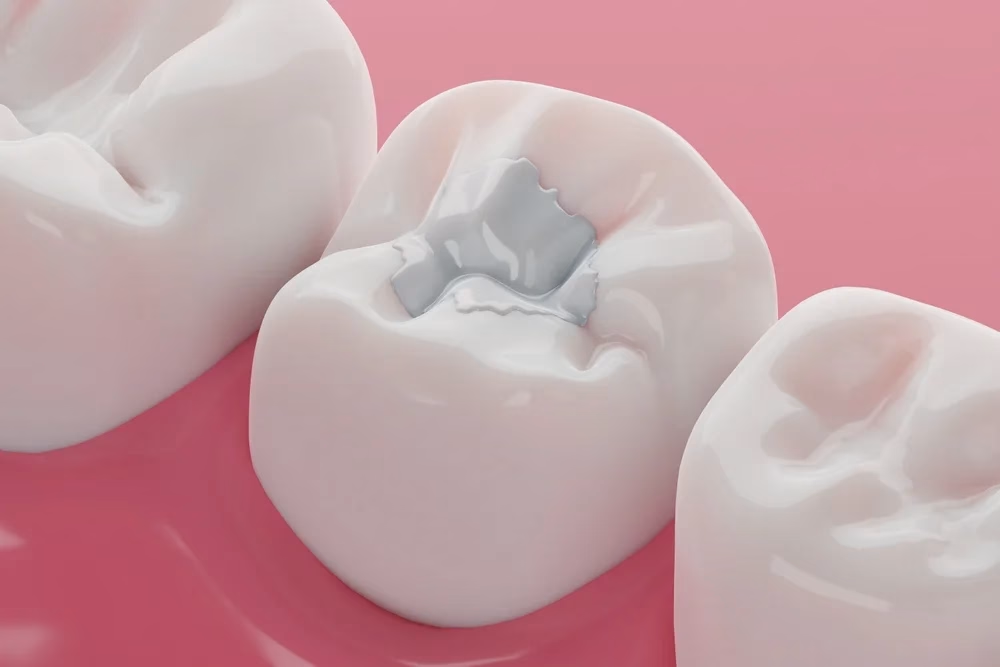



Dental Fillings Treatment Near North Hills, CA
A cavity can start small and quiet. You may feel mild sensitivity, notice a dark spot, feel a rough edge, or realize food keeps getting stuck in the same place. Sometimes there is no pain at all. The problem is that once tooth decay creates a true cavity, it usually continues to spread unless it is treated.
Family Credit Dentistry provides dental fillings treatment near North Hills, CA for patients who need gentle, natural-looking, and reliable cavity repair. Dr. Alyesh focuses on removing decay, protecting healthy tooth structure, and restoring the tooth so it feels comfortable when you chew.
Dental fillings are one of the most common restorative dental treatments, but they still require careful diagnosis and precise placement. A good filling should seal the damaged area, restore the shape of the tooth, fit the bite properly, and help prevent decay from moving deeper.
If you are searching for dental fillings in North Hills, CA, Family Credit Dentistry welcomes patients from North Hills, Panorama City, Van Nuys, Arleta, Mission Hills, Pacoima, Granada Hills, San Fernando, and nearby San Fernando Valley communities.
Call Dr. Alyesh at (818) 895-1321 to schedule an appointment.
What Is a Dental Filling?
A dental filling is a restoration used to repair a tooth after decay or minor damage has been removed. When a cavity forms, part of the tooth becomes weakened. Dr. Alyesh removes the damaged area, cleans the tooth, and places filling material to restore the missing structure.
Fillings are most often used to treat cavities. They can also repair small chips, worn spots, minor cracks, and small areas of tooth damage. The purpose is to restore the tooth before the problem becomes larger and more difficult to treat.
Many modern fillings are tooth-colored. These fillings can be matched to your natural tooth shade, which helps the repair blend into your smile. Tooth-colored fillings are often used on front teeth and back teeth, depending on the size and location of the cavity.
A filling is usually completed in one visit. Even though the treatment is routine, the details matter. The filling should feel smooth, clean easily, seal the tooth properly, and allow your bite to feel natural.
What Causes Cavities?
Cavities form when bacteria in the mouth produce acids that weaken tooth enamel. These bacteria live in plaque, the sticky film that forms on teeth throughout the day. When plaque is not removed well, acids can slowly break down the enamel and create a small hole in the tooth.
Sugar and starches can feed the bacteria that produce acid. Frequent snacking, sipping sweet drinks, drinking acidic beverages, and inconsistent brushing or flossing can increase cavity risk. Cavities can also form around old fillings, along the gumline, between teeth, and in the grooves of back teeth.
Some patients are more cavity-prone because of dry mouth, crowded teeth, deep grooves, medications, enamel quality, diet, or dental history. A patient can brush daily and still develop cavities if certain risk factors are present.
Dr. Alyesh looks at more than the cavity itself. He can help you understand what may be contributing to decay so you can reduce the chance of future cavities.
Signs You May Need a Dental Filling
You may need a dental filling if you notice tooth sensitivity, pain when eating sweets, discomfort from cold drinks, a dark spot, a rough surface, food trapping, or pain when biting. A chipped or worn tooth may also need a filling if the damage is small enough to repair conservatively.
Not every cavity causes pain. Some cavities are found during routine dental exams before they become noticeable. This is one reason regular checkups are important. Finding decay early often means the treatment can be simpler and more conservative.
Sensitivity does not always mean a cavity is present. Gum recession, enamel wear, grinding, cracked teeth, and older dental work can also cause discomfort. Dr. Alyesh can examine the tooth and determine what is causing the symptom.
If you live near North Hills and keep feeling sensitivity in the same tooth, schedule an exam before the pain becomes severe. A small filling is usually easier than treating decay after it reaches the nerve.
Tooth-Colored Fillings Near North Hills
Tooth-colored fillings are usually made from composite resin. Composite resin can be matched to the color of your natural teeth so the repair blends in more naturally than a silver-colored filling. Many patients prefer this option because it looks cleaner and less noticeable.
Composite fillings can be used for many small to moderate cavities. They may also be used for small chips, worn edges, and visible repairs where appearance matters. The material is placed directly into the tooth, shaped, hardened, and polished.
Dr. Alyesh carefully selects a shade that matches the surrounding enamel. He also shapes the filling so it follows the natural contours of the tooth. This matters because a filling should not feel bulky, rough, or high when you bite.
A tooth-colored filling should do more than look good. It should seal the tooth, restore chewing comfort, and help protect the remaining tooth structure from further decay.
Why Treat a Cavity Early?
Treating a cavity early helps preserve more of your natural tooth. When decay is small, Dr. Alyesh can usually remove the damaged area and place a filling. When decay becomes larger, the tooth may need a crown, root canal, or extraction depending on how deep the damage goes.
Early treatment can also help prevent pain. Many cavities do not hurt until they are deeper. By the time a tooth becomes painful, the decay may be close to the nerve. At that point, a simple filling may no longer be enough.
A small filling is usually more conservative than larger dental treatment. It can repair the damaged area while keeping more healthy tooth structure intact. Waiting can make the problem more uncomfortable, more expensive, and more stressful.
Dr. Alyesh encourages patients to treat cavities before they become emergencies. Early care gives the tooth a better chance of staying strong and comfortable.
What Happens During a Dental Filling Appointment?
A dental filling appointment begins with an exam and explanation. Dr. Alyesh will identify the cavity or damaged area and explain why a filling is recommended. X-rays may be used to see how deep the decay is, especially if the cavity is between teeth or under an old filling.
The tooth is numbed when needed so you can stay comfortable. Once the area is ready, Dr. Alyesh removes the decayed or weakened part of the tooth. The tooth is then cleaned and prepared for the filling material.
For a tooth-colored filling, composite resin is placed in layers. Each layer is shaped and hardened with a special light. Dr. Alyesh then checks the bite to make sure the filling does not hit too hard when you chew.
The final step is polishing. A smooth filling is more comfortable and easier to keep clean. Before you leave, Dr. Alyesh will make sure the restoration feels right and provide any aftercare instructions you need.
Does Getting a Dental Filling Hurt?
Most dental filling treatments are comfortable. If the cavity is deeper or the tooth is sensitive, the area can be numbed before treatment begins. You may feel pressure, vibration, or water spray, but you should not feel sharp pain.
After a filling, some temporary sensitivity can happen. This is more common when the cavity was deep, the tooth was already irritated, or the filling is close to the nerve. Sensitivity should gradually improve as the tooth settles.
If your bite feels high after the numbness wears off, call Family Credit Dentistry. A filling that is even slightly too high can make the tooth sore when chewing. A small adjustment can often solve the issue quickly.
Dr. Alyesh is known for his gentle approach and clear communication. If dental treatment makes you nervous, let the team know so they can help you feel more comfortable during the visit.
Composite Fillings for Front Teeth
Front teeth need careful repair because they are visible when you smile, speak, and laugh. Composite resin can be a good option for small cavities, chips, worn edges, and minor cosmetic repairs on front teeth.
Color matching is especially important in the front of the mouth. Dr. Alyesh chooses a shade that blends with the surrounding tooth so the repair does not stand out. He also shapes the filling so it follows the natural line and contour of the tooth.
Composite material can be sculpted directly on the tooth. This allows Dr. Alyesh to repair small areas while preserving as much healthy enamel as possible. Once polished, the filling should feel smooth and look natural.
Front tooth fillings still need good care. Composite can stain or chip over time, especially if you bite fingernails, chew pens, crunch ice, or use your teeth as tools. Regular dental visits help monitor the repair.
Composite Fillings for Back Teeth
Back teeth do most of the chewing, so fillings in these areas must be shaped carefully. Composite fillings can be used for many small to moderate cavities in molars and premolars.
A back tooth filling needs to restore the grooves, edges, and contact points of the tooth. If the filling is not shaped properly, food may get stuck, floss may shred, or the bite may feel uneven. Dr. Alyesh checks these details before treatment is finished.
The size of the cavity matters. A small or moderate cavity may be repaired with a filling. If the cavity is very large or the tooth is weakened, a crown or another stronger restoration may be recommended.
Dr. Alyesh will explain which option makes the most sense for your tooth. The goal is to repair the damage in a way that supports chewing and helps the restoration last.
Replacing Old Fillings
Old fillings do not always need to be replaced. If a filling is sealed well, comfortable, and there is no decay around it, Dr. Alyesh may recommend monitoring it. Replacing a stable filling without a clear reason can remove additional tooth structure.
A filling may need replacement if it is cracked, loose, leaking, worn down, stained at the edges, or allowing decay to form around it. You may notice sensitivity, roughness, food trapping, or a dark line around the filling. Sometimes the issue is only visible during an exam or on an X-ray.
Some patients ask about replacing older silver-colored fillings with tooth-colored fillings for appearance. Dr. Alyesh can evaluate whether replacement makes sense. If the old filling is failing or decay is present, replacement may be recommended. If it is healthy and stable, leaving it alone may be the better choice.
The decision should be based on health, function, appearance, and long-term tooth preservation. Dr. Alyesh will explain the pros and cons before treatment.
Silver Fillings vs. Tooth-Colored Fillings
Silver-colored fillings, also called amalgam fillings, have been used for many years. They are durable and have often been placed in back teeth where chewing pressure is strong. Tooth-colored composite fillings are more natural-looking and bond directly to tooth structure.
Many patients prefer tooth-colored fillings because they blend with the smile. Composite can be helpful for visible areas, smaller cavities, and minor repairs where appearance matters.
However, older silver fillings do not always need to be removed. If an amalgam filling is intact, sealed, and there is no decay beneath it, removal may not be medically necessary. Removing a stable filling can also remove healthy tooth structure.
Dr. Alyesh will examine the filling and tooth before recommending replacement. The best choice depends on the condition of the restoration, the health of the tooth, and your personal goals.
Dental Fillings vs. Crowns
Dental fillings and crowns both repair teeth, but they are used for different levels of damage. A filling repairs a smaller area of decay or minor tooth damage. A crown covers the entire visible part of the tooth and is used when the tooth needs more protection.
A filling may be appropriate when enough healthy tooth structure remains. If a cavity is large, a tooth is cracked, or a tooth has had several previous fillings, a crown may be more predictable.
A very large filling can sometimes leave a tooth vulnerable to fracture. In that situation, a crown may protect the tooth better by covering and strengthening it.
Dr. Alyesh will explain whether a filling is enough or whether a crown would be the healthier long-term choice. The goal is to use the most conservative treatment that still protects the tooth properly.
Dental Fillings vs. Root Canals
A dental filling treats decay that has not reached the nerve inside the tooth. A root canal is needed when the nerve becomes infected or severely inflamed. This can happen when decay becomes deep, a tooth cracks, or trauma damages the nerve.
If a cavity is treated early, a filling may be enough. If the tooth has lingering pain, spontaneous throbbing, swelling, or sensitivity that lasts a long time after hot or cold, Dr. Alyesh may need to evaluate whether the nerve is involved.
A filling cannot fix an infected nerve. Placing a filling over a tooth that needs a root canal may not solve the pain. That is why diagnosis is important before treatment begins.
Dr. Alyesh will explain whether the tooth needs a filling, root canal, crown, or another treatment. The goal is to treat the real problem and preserve the tooth when possible.
Can a Filling Fix a Chipped or Cracked Tooth?
A filling can sometimes repair a small chip, shallow crack, or minor worn area. Composite resin can rebuild missing tooth structure and smooth rough edges. This can improve comfort, appearance, and function.
Not every cracked tooth can be repaired with a filling. If the crack extends deeper into the tooth, reaches the nerve, or weakens the tooth structure, a crown or root canal may be needed. If the fracture goes down the root, the tooth may not be saveable.
Dr. Alyesh will examine the tooth and may take an X-ray to understand the extent of the damage. He may also check your bite to see whether grinding or chewing pressure contributed to the crack.
A filling is best for small repairs. Larger structural problems need a stronger plan.
How Long Do Dental Fillings Last?
Dental fillings can last for many years, but they do not last forever. Their lifespan depends on the filling material, cavity size, tooth location, bite pressure, grinding habits, oral hygiene, diet, and regular dental care.
Small fillings often last longer than very large fillings because more natural tooth structure remains. Fillings on back teeth may experience more chewing pressure than fillings on front teeth. Patients who grind or clench may place extra stress on fillings.
Good home care helps fillings last. Brush twice a day, floss daily, limit frequent sugary snacks and drinks, and keep regular dental cleanings. Dr. Alyesh will check your fillings during exams to make sure they are still sealed and functioning properly.
If a filling chips, feels rough, traps food, or becomes sensitive, schedule an appointment. Early repair can often prevent a bigger problem.
What to Expect After a Dental Filling
After a filling, your mouth may stay numb for a short time. Be careful when eating or drinking until the numbness wears off so you do not bite your cheek, lip, or tongue.
Some mild sensitivity to cold, pressure, or chewing can happen after a filling. This is often temporary, especially if the cavity was deeper. Sensitivity should gradually improve, not get worse.
You can usually return to normal activities after a filling. If you had a tooth-colored composite filling, the material is hardened before you leave, so you can usually chew once the numbness is gone.
Call the office if your bite feels uneven, pain increases, sensitivity does not improve, or the filling feels sharp or loose. Small adjustments can make a big difference in comfort.
How to Prevent More Cavities
Dental fillings repair cavities, but prevention is still important. Once you have had a cavity, it is worth understanding what may be increasing your risk. Dr. Alyesh can help identify whether the issue is brushing technique, flossing, diet, dry mouth, old dental work, or something else.
Daily brushing and flossing are the foundation. Fluoride toothpaste can help strengthen enamel. Regular dental cleanings help remove plaque and tartar that are difficult to manage at home.
Limiting frequent sugar exposure also matters. Sipping sweet drinks throughout the day or snacking often gives mouth bacteria more chances to produce acid. It is not only about how much sugar you consume, but how often your teeth are exposed to it.
Routine exams allow Dr. Alyesh to catch early decay before it becomes painful. Small cavities are usually easier to repair than advanced decay.
Dental Fillings for Children and Teens
Children and teens can also need dental fillings. Cavities are common in younger patients, especially in the deep grooves of back teeth or between teeth where flossing is more difficult. Treating decay early can protect the tooth and help prevent pain.
Parents sometimes wonder whether baby teeth need fillings. In many cases, yes, baby teeth should be treated if they have cavities. Baby teeth help with chewing, speaking, spacing, and guiding adult teeth into place. If a baby tooth is lost too early, it can create problems for the developing smile.
For teens, cavities may be related to diet, braces, sports drinks, inconsistent flossing, or deep grooves in molars. Dr. Alyesh can help identify risk factors and recommend a prevention plan.
Family Credit Dentistry is a family-friendly office, and the team works to make visits comfortable for patients of all ages.
Why Choose Family Credit Dentistry for Dental Fillings Near North Hills?
Dental fillings may be common, but they still require care, precision, and good judgment. A filling should remove decay, preserve healthy tooth structure, restore the bite, and blend naturally with the smile when possible.
Dr. Alyesh brings over 10 years of experience and provides comprehensive dental care, including general dentistry, cosmetic dentistry, dental implants, endodontics, and oral surgery. His broad background helps him evaluate whether a filling is enough or whether another treatment would better protect the tooth.
Patients appreciate his gentle approach, attention to detail, and use of modern dental technology. He focuses on personalized treatment plans rather than one-size-fits-all dentistry. If a small filling is enough, he will explain that. If a crown or root canal is needed instead, he will explain why.
Family Credit Dentistry is also a bilingual office serving both English-speaking and Spanish-speaking patients. Clear communication matters because patients should understand their diagnosis, treatment options, and aftercare instructions.
Schedule Dental Fillings Treatment Near North Hills, CA
If you have tooth sensitivity, a visible cavity, a chipped tooth, food trapping, or discomfort when chewing, it is better to schedule an exam before the problem gets worse. A filling may be able to repair the tooth while the damage is still small.
Family Credit Dentistry provides dental fillings treatment near North Hills, CA with gentle care and natural-looking results. Dr. Alyesh will examine your tooth, explain what is happening, and recommend the best way to restore it.
Whether you need a new filling, a replacement filling, or a second opinion about a cavity, the team is here to help. Family Credit Dentistry welcomes patients from North Hills, Panorama City, Van Nuys, Arleta, Mission Hills, Pacoima, Granada Hills, San Fernando, and nearby communities.
Call Dr. Alyesh at (818) 895-1321 to schedule an appointment.