


A weakened tooth may continue functioning for months before something finally breaks. You may notice occasional sensitivity, discomfort when chewing, or a rough edge around an older filling. In other cases, the first warning is a piece of the tooth breaking while you eat an ordinary meal.
Credit Family Dentistry provides dental crowns for patients in North Hills, CA who need to restore teeth weakened by decay, cracks, large fillings, root canal treatment, or years of wear. A custom crown surrounds the visible portion of the tooth, helping protect the remaining structure while restoring a comfortable chewing surface and natural appearance.
Dr. Alyesh evaluates whether a crown is truly the most appropriate restoration before recommending treatment. Some teeth can be repaired successfully with a filling, inlay, or onlay. Others have lost too much structure to remain dependable without protection around the entire visible tooth.
The goal is not simply to cover a damaged tooth. It is to preserve as much healthy structure as possible, restore function, and reduce the chance of a larger fracture that could make the tooth more difficult to save.
Why a Tooth May Need Protection Before It Hurts
Pain is not always the first sign that a tooth is becoming structurally weak. Enamel does not contain nerves, so a crack or area of decay may progress without creating constant discomfort. A large filling may also leave only thin walls of natural tooth around it, even when the restoration still looks acceptable from the outside.
A crown may be recommended before severe pain develops because the tooth is showing signs that it may not tolerate normal chewing pressure much longer.
These signs may include:
- A large filling that occupies most of the tooth
- Visible cracks around an older restoration
- A missing cusp or broken corner
- Repeated fractures in the same tooth
- Deep decay that leaves little healthy structure
- Pain when biting into firm foods
- A tooth that has received root canal treatment
- Heavy wear caused by grinding or clenching
Dr. Alyesh explains what makes the tooth vulnerable and what may happen if it remains untreated. Patients should understand whether the recommendation is addressing current damage, preventing an expected fracture, or both.
What Is a Dental Crown?
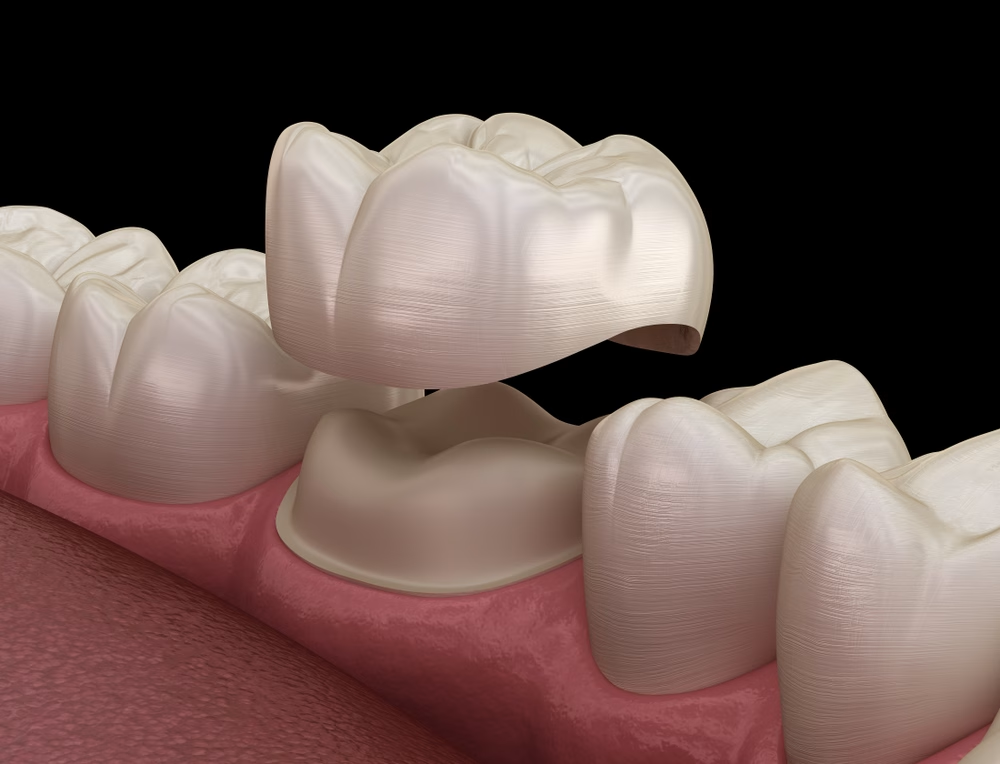
A dental crown is a custom restoration that covers the portion of a prepared tooth above the gumline. Patients often call it a cap because it surrounds the tooth rather than filling only one area.
A crown must recreate several parts of the natural tooth at once. It needs to fit securely over the prepared structure, contact neighboring teeth properly, meet the opposing tooth comfortably, and follow the gumline closely enough to remain cleanable.
A dental crown may be used to:
- Restore extensive tooth decay
- Protect a cracked tooth
- Rebuild a broken or fractured tooth
- Replace a large, failing filling
- Strengthen a root canal-treated tooth
- Restore teeth worn down by grinding
- Improve the appearance of a structurally damaged tooth
- Complete a dental implant
- Support part of a dental bridge
The restoration is designed for the specific tooth rather than selected as a standard size. Its shape, material, thickness, and appearance depend on where it is located and how it functions within the patient’s bite.
How a Crown Protects a Weakened Tooth
A filling sits within the tooth and depends on the surrounding enamel for support. A crown surrounds the tooth and helps distribute biting pressure across a broader surface.
This difference becomes important when the remaining tooth walls are thin. Under chewing pressure, those walls may flex away from a large filling and eventually fracture. A crown can help hold the structure together and reduce the amount of force concentrated on one weakened section.
A crown does not make the tooth indestructible. The tooth can still develop decay near the restoration, and the crown itself can wear, loosen, or fracture. However, it often provides more reliable protection than continuing to place larger fillings in a tooth that has already lost substantial structure.
When a Filling Is No Longer Enough
Fillings are a conservative and effective treatment for many cavities. They are usually preferred when the damaged area is limited and enough healthy tooth remains to support the repair.
A crown may become a better option when:
- Decay extends across much of the chewing surface
- A filling would leave unsupported enamel
- An existing restoration occupies most of the tooth
- The tooth has broken around a filling
- Several fillings have already failed
- A crack crosses one or more chewing cusps
- The tooth hurts under pressure
- Another filling would not provide predictable reinforcement
Patients sometimes ask whether the tooth can simply receive another filling because that treatment sounds smaller and less expensive. Dr. Alyesh considers not only whether a filling can be placed, but whether it is likely to function safely over time.
A conservative treatment should preserve the tooth, not merely postpone a predictable fracture.
Crowns for Cracked Teeth
A cracked tooth can produce confusing symptoms. Pain may occur only when biting into something firm or when pressure is released. The discomfort may disappear quickly, making it difficult to determine which tooth is responsible.
Possible signs of a cracked tooth include:
- Sharp pain while chewing
- Pain when releasing a bite
- Intermittent sensitivity to temperature
- Tenderness that comes and goes
- Discomfort that is difficult to locate
- A visible line in the enamel
- A broken cusp
- Gum irritation near one area of the tooth
Cracks do not heal on their own. When a crack remains limited to a repairable portion of the tooth, a crown may help stabilize the structure by reducing movement between the weakened sections.
The depth and direction of the crack matter. A fracture limited to the visible part of the tooth may have a more favorable outlook than one extending deeply beneath the gums or into the root.
Dr. Alyesh evaluates the symptoms, tooth structure, bite, and available imaging before discussing whether a crown is likely to protect the tooth predictably.
Restoring a Broken Tooth
A tooth may break because of decay, grinding, trauma, or weakness around an older filling. The amount of damage determines which treatment may be appropriate.
A small chip may be repaired with bonding or a filling. A larger fracture may require an inlay, onlay, or crown. If the break reaches the pulp inside the tooth, root canal treatment may be needed before the final restoration is placed.
Prompt evaluation matters because an unprotected fracture may continue spreading. The exposed area can also become sensitive, trap food, or allow bacteria to reach deeper tooth structure.
Dr. Alyesh examines how much healthy tooth remains and whether there is enough stable structure to support a crown. When the fracture extends near the gumline, additional treatment may sometimes be needed to create a secure foundation.
Replacing a Large or Failing Filling
Dental fillings can function well for many years, but normal chewing, temperature changes, decay, and grinding can eventually affect both the restoration and the tooth surrounding it.
An older filling may need evaluation if you notice:
- A rough or sharp edge
- Food catching beside the tooth
- New sensitivity
- Pain while chewing
- A visible fracture
- Part of the filling breaking away
- A piece of natural tooth breaking
- Darkening around the restoration
- A filling that feels loose
- A change in the bite
A small filling can often be replaced with another filling. When the existing restoration takes up most of the tooth, removing it may reveal thin walls or cracks that cannot support another large repair safely.
A crown may then provide better protection by surrounding the weakened tooth instead of continuing to enlarge the filling inside it.
Crowns After Root Canal Treatment
Root canal therapy treats infection or inflammation inside a tooth. A crown often protects the outer structure afterward.
Teeth that need root canal treatment may already be weakened by:
- Deep decay
- Large fillings
- Cracks
- Previous fractures
- Repeated dental procedures
- Significant loss of internal structure
The root canal removes infected or inflamed pulp and seals the internal canals. It does not rebuild the chewing surface or protect thin enamel from fracture.
Back teeth are especially likely to need crowns after root canal treatment because they absorb strong pressure during eating. Front teeth may sometimes be restored differently when enough healthy structure remains.
Dr. Alyesh evaluates the specific tooth rather than presenting a crown as an automatic requirement after every root canal. The recommendation depends on the tooth’s location, remaining structure, and expected function.
What Is a Crown Buildup?
A crown needs a stable foundation underneath it. If decay, fracture, or a large filling has removed too much structure, a buildup may be necessary before the tooth can support the final restoration.
A core buildup replaces missing internal tooth structure with restorative material. The rebuilt tooth is then shaped to receive the crown.
Some root canal-treated teeth may also require a post inside part of the root canal space. The post helps retain the buildup when very little tooth remains above the gumline. It does not strengthen the root itself, and it is not necessary for every crowned tooth.
Dr. Alyesh recommends a buildup or post only when the condition of the tooth requires that additional support.
Dental Crown Materials
Crowns can be made from several materials. The right choice depends on where the tooth is located, how much pressure it receives, how visible it is, and the condition of the surrounding teeth.
Ceramic and Porcelain Crowns
These tooth-colored materials are commonly selected when appearance is especially important. They can be customized in shade, shape, texture, and translucency to coordinate with nearby teeth.
Zirconia Crowns
Zirconia is a strong ceramic material frequently used for molars and other teeth exposed to significant pressure. Different forms of zirconia offer different balances between durability and translucency.
Porcelain-Fused-to-Metal Crowns
These crowns combine a metal foundation with an outer porcelain layer. They can provide strength and an attractive appearance, although a darker edge may become visible if gum recession develops.
Metal Crowns
Certain metal alloys are highly durable and may require less tooth reduction in selected cases. Their metallic appearance usually makes them more appropriate for less visible areas.
There is no universal crown material that is best for every tooth. Dr. Alyesh considers the bite, available space, cosmetic expectations, and long-term demands placed on the restoration.
Creating a Natural-Looking Crown
A crown should coordinate with the rest of the smile rather than looking like a separate artificial tooth. Matching the shade is important, but it is only one part of creating a natural result.
The restoration must also fit nearby teeth in:
- Width
- Length
- Overall shape
- Surface texture
- Translucency
- Edge design
- Gumline contour
- Position within the smile
Natural teeth often contain subtle variations in shade and texture. A crown that is too bright, too smooth, or too uniform may stand out even when its general color seems correct.
Dr. Alyesh considers the patient’s facial features and neighboring teeth when planning the restoration. The goal is not to create a generic perfect tooth. It is to create one that looks appropriate within the patient’s own smile.
What Happens During the Crown Process?
The exact process depends on the tooth and restoration, but traditional crown treatment generally includes examination, tooth preparation, temporary protection, and final placement.
Examination and Diagnosis
Dr. Alyesh examines the tooth, gums, bite, and surrounding dental work. X-rays may be used to evaluate decay, infection, bone levels, and areas underneath existing restorations.
If root canal therapy, gum treatment, or another procedure is needed first, that becomes part of the treatment plan.
Numbing and Tooth Preparation
The area is numbed for comfort. Decay, damaged material, and unsupported structure are removed. The tooth is then shaped so the crown can fit around it securely without becoming excessively bulky.
A buildup may be completed when significant structure is missing.
Recording the Tooth and Bite
An impression or digital scan records the prepared tooth, neighboring teeth, and opposing bite. These records guide the shape, contacts, and chewing surface of the final crown.
Temporary Crown Placement
A temporary crown protects the prepared tooth while the final restoration is being completed. It helps maintain spacing, appearance, and basic function.
Temporary crowns are not as strong as permanent restorations. Patients should avoid sticky candy, chewing gum, ice, hard nuts, and other foods that could loosen or fracture them.
Final Crown Placement
Dr. Alyesh checks the crown’s fit, shape, color, contact with neighboring teeth, and relationship with the bite. Adjustments are made before the restoration is secured.
The final crown should feel stable and gradually become an ordinary part of the patient’s bite.
Why the Bite Check Matters
A crown can fit the prepared tooth correctly but still feel uncomfortable if it contacts the opposing teeth too early. Even a small high point may create repeated pressure every time the patient closes the mouth.
Signs that the bite may need adjustment include:
- The crowned tooth touches first
- Pain occurs during chewing
- Tenderness worsens rather than improves
- The patient avoids the restored side
- The jaw muscles feel tired
- Pressure sensitivity continues
Numbness can make it difficult to judge the bite during the placement appointment. If the crown still feels high after the anesthesia wears off, contact the office.
A minor adjustment can often resolve the problem quickly. Patients should not wait for the crown to wear itself down while repeatedly placing excess pressure on the tooth.
Does Getting a Crown Hurt?
The tooth is normally numbed before preparation. Patients may feel pressure, vibration, or movement, but the anesthetic is intended to prevent sharp pain during treatment.
Some temporary sensitivity or gum tenderness may occur afterward. The tooth may react briefly to cold or pressure, particularly if it was irritated before treatment. These symptoms often improve as the area settles.
Dr. Alyesh understands that patients may be anxious because of a previous dental experience or uncertainty about the procedure. He explains what is happening, checks on comfort, and gives patients opportunities to ask questions throughout treatment.
How Long Can a Dental Crown Last?
A crown is intended to provide long-term service, but no restoration lasts forever. Many crowns function for approximately 10 to 15 years, while some remain successful longer under favorable conditions.
Longevity may be affected by:
- Crown material
- Condition of the supporting tooth
- Fit of the restoration
- Gum health
- Daily brushing and flossing
- Grinding or clenching
- Chewing habits
- Frequent sugar exposure
- Dry mouth
- Regular dental care
A crown may eventually need replacement because of decay, wear, fracture, loosening, or changes in the surrounding gums and teeth. Routine exams help identify these concerns before they become painful emergencies.
Caring for a Crown at Home
A crowned tooth still needs daily brushing and flossing. The crown material cannot develop decay, but the natural tooth near the edge of the restoration can.
To protect the crown:
- Brush twice daily with fluoride toothpaste
- Floss around the restoration every day
- Clean carefully near the gumline
- Avoid chewing ice and hard objects
- Do not use teeth to open packaging
- Limit frequent sugary snacks and drinks
- Attend regular exams and cleanings
- Wear a night guard if recommended
- Report looseness, pain, or food trapping
Patients sometimes avoid flossing because they worry about pulling off the crown. A securely placed permanent crown should tolerate normal flossing. Neglecting the area increases the risk of gum inflammation and decay near the margin.
Dental Crowns and Teeth Grinding
Grinding and clenching can damage natural teeth, fillings, and crowns. Repeated pressure may chip ceramic, loosen restorations, flatten chewing surfaces, or create muscle and jaw discomfort.
Signs of grinding may include:
- Worn or shortened teeth
- Small enamel fractures
- Repeated crown or filling problems
- Morning jaw tightness
- Headaches after waking
- Tooth sensitivity
- Tender chewing muscles
- A partner hearing grinding at night
Patients who grind can still receive crowns, but the added force should be considered during planning. Dr. Alyesh may recommend a durable material, careful bite adjustment, or a custom night guard to protect the restoration and surrounding teeth.
What If a Temporary Crown Falls Off?
A temporary crown may loosen because it is secured with cement designed to allow removal when the permanent restoration is ready.
If the temporary crown comes off:
- Keep the crown
- Avoid chewing on the exposed tooth
- Do not use household glue
- Contact the office promptly
- Bring the crown to the appointment
- Avoid very hot, cold, sticky, or hard foods
The prepared tooth may be sensitive and can shift or fracture without protection. Replacing or recementing the temporary crown helps preserve the space until the final restoration is ready.
What If a Permanent Crown Becomes Loose?
A permanent crown may loosen because the cement has weakened, decay has developed, the crown has fractured, or the supporting tooth has changed.
A loose crown should be evaluated even if it is not painful. Continued movement may allow bacteria underneath the restoration or place the tooth at risk of further damage.
If the crown comes off, keep it and bring it to the appointment. Do not use household adhesive. The crown may sometimes be recemented if it remains intact and the tooth underneath is healthy. If decay or fracture is present, additional treatment may be necessary.
Can Decay Form Under a Crown?
Yes. A crown covers the visible tooth but does not make the underlying structure immune to cavities. Decay may develop near the edge where the crown meets the natural tooth.
Risk factors include:
- Inadequate brushing or flossing
- Frequent sugar exposure
- Dry mouth
- Gum recession
- Food trapping
- A damaged crown margin
- Older dental work
- Missed preventive visits
Possible warning signs include sensitivity, odor, a bad taste, crown movement, gum inflammation, or darkening near the edge. Decay may also develop without obvious symptoms and be found during an examination or on an X-ray.
Early detection may allow the tooth to remain repairable. Extensive decay beneath a crown can limit treatment options.
When an Older Crown Needs Replacement
A crown does not require replacement only because it has reached a certain age. If it remains comfortable, secure, cleanable, and free from decay, continued monitoring may be appropriate.
Replacement may be recommended when:
- Decay develops beneath the crown
- The restoration cracks or breaks
- It repeatedly becomes loose
- The margin no longer seals properly
- The bite has changed
- Gum recession exposes an unattractive edge
- The tooth underneath becomes painful
- Food becomes trapped beside it
- The crown is severely worn
- Its appearance no longer fits the smile
Dr. Alyesh evaluates the crown and supporting tooth together. Replacing a functioning restoration unnecessarily is not conservative, but waiting too long to treat a failing crown can allow more extensive damage.
Dental Crowns Near North Hills, CA
Credit Family Dentistry is located nearby in Panorama City and welcomes patients from North Hills and surrounding San Fernando Valley communities. Patients can receive dental exams, digital imaging, fillings, inlays, onlays, root canal treatment, crowns, bridges, implants, and preventive care through one practice.
Dr. Alyesh has more than 10 years of experience providing general, cosmetic, implant, endodontic, and oral surgery services. His broad experience is helpful when a damaged tooth requires coordinated treatment or when a patient needs to compare several restorative options.
Patients also appreciate:
- Personalized crown recommendations
- Clear explanations of dental findings
- Natural-looking restorative materials
- Careful attention to bite comfort
- A gentle, patient-focused approach
- A welcoming, family-friendly environment
- Support for English- and Spanish-speaking patients
Patients deserve to understand why a crown is being recommended, what alternatives may exist, and what they can do to protect the result.
Schedule a Dental Crown Consultation Near North Hills, CA
If you have a cracked, broken, decayed, worn, or weakened tooth, call Dr. Alyesh at (818) 895-1321 to schedule an appointment. We will evaluate the tooth, explain whether a dental crown is appropriate, and recommend the treatment that best protects your comfort, chewing function, and long-term oral health.
A vulnerable tooth may continue to deteriorate even when the discomfort is mild or occasional. Let our nearby dental team help you restore strength, function, and confidence with a custom crown designed around your smile.