


Living with missing teeth often requires small compromises that gradually become part of everyday life. You may stop ordering foods you once enjoyed, cover your mouth when laughing, or avoid speaking in situations where you worry others will notice your teeth. An older denture can create similar frustrations when it begins slipping, trapping food, or causing sore areas.
Credit Family Dentistry provides affordable dentures for patients in North Hills, CA who want a dependable way to replace missing teeth and feel more comfortable in daily life. Dr. Alyesh offers complete dentures, partial dentures, immediate dentures, and implant-supported options based on the health of your mouth, the number of teeth being replaced, and your personal priorities.
Affordability is not only about finding the lowest advertised fee. A denture also needs to fit properly, support your bite, look appropriate for your face, and come with a realistic plan for adjustments and maintenance. Dr. Alyesh explains the full treatment process before you begin so you can compare your options and choose an approach that makes sense for your health and budget.
Finding the Right Denture for Your Situation
There is no single denture that works for every patient. Someone who still has several healthy teeth needs a different solution from someone who has lost an entire upper or lower arch. A patient preparing for extractions also has different needs from someone whose existing denture has gradually become loose.
Your recommendation may depend on:
- How many teeth are missing
- Which natural teeth can still be saved
- The condition of your gums and jawbone
- Whether extractions are necessary
- How stable you want the denture to feel
- Whether you are interested in dental implants
- Your appearance and chewing goals
- Your treatment timeline
- Your available budget
Dr. Alyesh begins with an examination rather than assuming that every remaining tooth should be removed. Healthy teeth may provide useful support for a partial denture, while severely damaged or infected teeth may need to be treated or extracted before a predictable appliance can be made.
Complete Dentures for an Entire Row of Missing Teeth
Complete dentures, also called full dentures, replace all the teeth in the upper jaw, lower jaw, or both. They are shaped to rest over the gums and recreate the appearance of a full set of teeth.
An upper denture typically covers part of the palate. This broader surface can help with suction and stability. A lower denture is shaped around the tongue and rests on a smaller ridge of bone, making it more vulnerable to movement from the cheeks, tongue, and floor of the mouth.
Complete dentures may be appropriate when:
- Every tooth in an arch is already missing
- The remaining teeth have a poor long-term outlook
- Several failing teeth must be removed
- An old full denture needs replacement
- The patient prefers a removable solution
- Implant treatment is not currently desired or appropriate
A complete denture can restore facial support and improve the ability to speak and eat, but it will not feel exactly like natural teeth. Understanding that difference helps patients adapt more successfully and evaluate whether traditional or implant-supported treatment better matches their expectations.
Partial Dentures That Preserve Healthy Teeth
A partial denture replaces several missing teeth while working around the natural teeth that remain. The appliance is removable and may use clasps or other components to gain support and stability.
A partial denture can be particularly useful when missing teeth are located in different areas of the mouth and a traditional bridge would not be practical. It may also offer a more budget-friendly alternative to replacing each missing tooth with an individual dental implant.
Potential benefits include:
- Filling multiple gaps with one appliance
- Restoring visible teeth in the smile
- Improving chewing on both sides
- Helping neighboring teeth maintain their positions
- Preserving useful natural teeth
- Providing a removable treatment option
- Allowing future modifications in selected cases
The remaining teeth need to be healthy enough to support the appliance. Cavities, failing restorations, gum disease, or tooth mobility may need attention before the partial denture is completed.
Dr. Alyesh considers how the appliance will contact the natural teeth and gums. A partial denture should not simply fill empty spaces. It should distribute pressure carefully and fit into the bite without creating unnecessary stress on the supporting teeth.
Immediate Dentures When Teeth Must Be Removed
Patients who need multiple extractions often worry about leaving the dental office without teeth. Immediate dentures can help bridge that transition.
An immediate denture is designed before the teeth are removed and placed shortly after the extractions. It allows the patient to maintain the appearance of a full smile during the initial healing period and provides some early function.
The important tradeoff is that the mouth changes quickly after extractions. As swelling decreases and the gums and bone heal, the denture may loosen. Follow-up adjustments, temporary liners, and eventually a more lasting reline or replacement may be required.
Immediate dentures are best viewed as part of a process rather than a one-time finished product. Dr. Alyesh explains the expected stages before treatment so patients are not surprised when the fit changes during healing.
Implant-Supported Dentures for a More Secure Fit
Some patients want more stability than a traditional removable denture can provide. Dental implants can help anchor a denture and reduce unwanted movement.
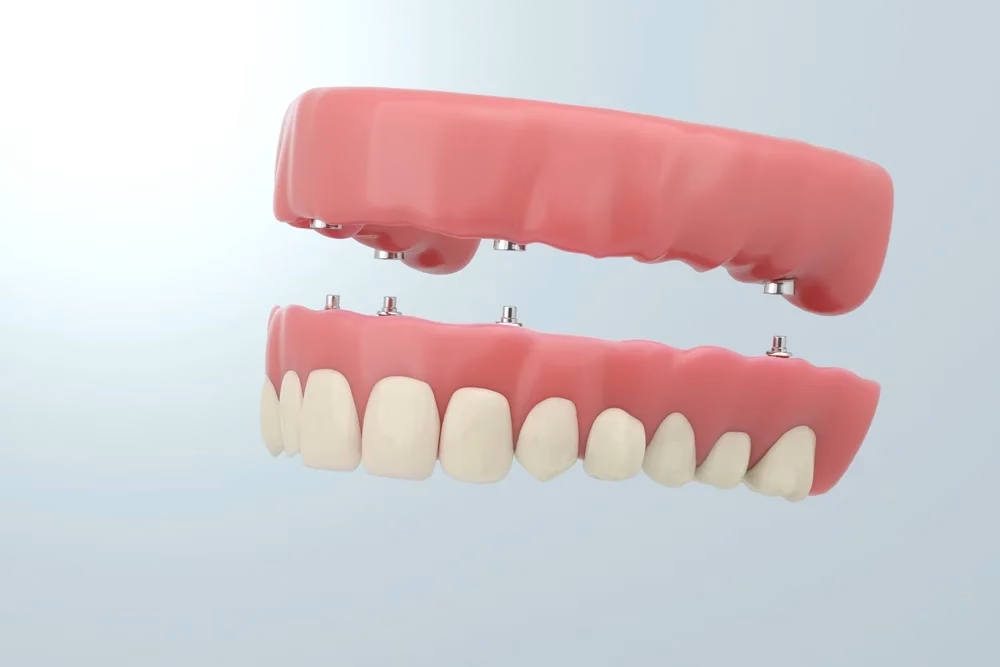
An implant-retained denture often attaches to implants using special connectors. The patient can usually remove the appliance for cleaning, but it feels more secure during eating and speaking. Other full-arch restorations may be fixed to implants and removed only by a dental professional.
Implant-supported dentures may offer:
- Greater stability while chewing
- Less slipping during speech
- Reduced need for denture adhesive
- More confidence in public
- Improved function for selected patients
- Support for the jawbone around the implants
Implant treatment requires sufficient bone and healthy tissues. Medical conditions, smoking, healing ability, existing infections, and oral hygiene can all affect candidacy.
The initial cost is generally higher than that of traditional dentures because the treatment includes surgical and restorative stages. For patients whose main concern is a constantly moving lower denture, even a limited number of implants may create a meaningful improvement.
Dr. Alyesh provides implant and surgical dental care and can discuss whether implant support is appropriate now or could be considered as a later upgrade.
What “Affordable Dentures” Should Really Mean
Patients naturally want to know the price of dentures, but the number can be difficult to interpret without knowing what the treatment includes. Two denture estimates may look similar while covering very different services.
The total investment may be affected by:
- A full or partial design
- Treatment of one arch or both
- The quality and type of materials
- Necessary extractions
- Imaging and examinations
- Treatment of gum disease or infection
- Immediate denture placement
- Follow-up adjustments
- Temporary or permanent relines
- Repairs or replacement during healing
- Dental implants or related procedures
A low advertised price may cover only the appliance. Extractions, adjustments, relines, or a final denture after healing may be separate. Before comparing fees, patients should ask for an itemized treatment plan and understand which services are included.
A genuinely affordable plan balances initial cost with long-term usefulness. A denture that cannot be worn comfortably or requires repeated repairs may provide poor value even if its starting price is low.
How Dentures Are Designed to Fit Your Face
A denture replaces teeth, but it also helps support the lips and lower face. Tooth position, gum contour, bite height, and the thickness of the denture base can influence how the face looks.
A personalized design considers:
- The size and shape of the patient’s face
- Lip position and support
- The amount of tooth visible while smiling
- Natural tooth proportions
- Tooth shade
- Gum color
- The relationship between the upper and lower jaws
- The patient’s preferred level of brightness and uniformity
Some patients want a very even, bright smile. Others prefer subtle variation that looks closer to the natural teeth they remember. Those preferences should be discussed rather than assumed.
Dr. Alyesh wants patients to recognize themselves when they see the finished smile. The goal is not to create the same denture for everyone. It is to design an appliance that looks believable and appropriate for the person wearing it.
The Denture Treatment Process
Creating a denture involves more than taking one impression and sending it to a laboratory. Multiple records and evaluations may be needed to develop a comfortable bite and natural appearance.
Oral Examination
Dr. Alyesh examines the gums, bone, remaining teeth, bite, and oral tissues. X-rays may be recommended to identify retained roots, infections, bone loss, or teeth that may require treatment.
Preparing the Mouth
Cavities, gum disease, damaged teeth, and infections may need to be addressed before the denture is completed. If extractions are planned, the treatment timeline will depend on whether the patient receives an immediate denture or waits for healing.
Impressions and Bite Records
Impressions capture the shape of the gums and supporting tissues. Bite records help determine how the jaws should meet and how much space is available for the replacement teeth.
Selecting Teeth and Appearance
Tooth shade, shape, size, and arrangement are selected according to the patient’s facial features and preferences. The amount of lip and facial support also needs to be considered.
Previewing the Denture
Depending on the treatment, a try-in may allow the dentist and patient to evaluate appearance, speech, and bite before the denture is finalized. This stage can be important because changes are easier to make before the appliance is completed.
Denture Delivery
Dr. Alyesh checks the fit, bite, appearance, and areas of pressure. The patient receives instructions for insertion, removal, cleaning, eating, and follow-up care.
Follow-Up Adjustments
New dentures commonly require adjustments. The gums may reveal pressure points only after the appliance has been worn during normal activities. Patients should report soreness rather than attempting to reshape the denture at home.
Adjusting to New Dentures
A new denture can initially feel bulky because the lips, cheeks, and tongue are learning to work around it. Saliva production may increase, speech may sound slightly different, and chewing may require more concentration.
These early experiences do not necessarily mean the denture has been made incorrectly. The mouth needs time to develop new patterns.
Adaptation is usually easier when patients:
- Wear the denture according to instructions
- Begin with soft, manageable foods
- Cut food into small pieces
- Chew slowly on both sides
- Practice speaking and reading aloud
- Attend adjustment appointments
- Avoid major home modifications
- Allow realistic time for muscle coordination to improve
Sharp pain, open sores, persistent gagging, or an inability to keep the denture in place should be evaluated. Adapting to a denture does not mean tolerating preventable injury or severe discomfort.
Eating With Dentures Without Becoming Frustrated
Chewing with a removable denture differs from chewing with natural teeth. Natural teeth are anchored directly in bone, while traditional dentures rest on movable gum tissue.
Begin with foods that are easy to divide and control, such as eggs, pasta, tender vegetables, soft fruit, oatmeal, rice, and meat cut into small pieces. Try to distribute food across both sides of the mouth rather than chewing entirely on one side.
The front teeth of a denture may not be ideal for biting directly into hard foods because that motion can tip the appliance. Cutting apples, sandwiches, and firmer foods into smaller sections can make eating easier.
Over time, many patients expand their diets considerably. However, foods that are very sticky, hard, or difficult to tear may remain challenging with traditional dentures. Patients seeking stronger chewing stability may want to discuss implant support.
Speaking More Clearly With a New Denture
A denture changes the position of the teeth and the space available to the tongue. Certain sounds may be difficult at first, especially those involving the tongue and front teeth.
Reading aloud for a few minutes each day can help. Repeating names, phrases, and words that feel difficult allows the tongue to develop new muscle memory. Speaking at a normal pace is usually more helpful than speaking unnaturally slowly.
Clicking during speech may indicate that the teeth are contacting unexpectedly or that the denture is moving. Persistent whistling, gagging, or slurred speech should be discussed at a follow-up appointment because the denture’s shape or fit may require refinement.
Why Lower Dentures Commonly Feel Less Stable
Many patients find that their upper denture feels more secure than their lower one. The upper denture has a broader surface and may develop suction against the palate. The lower denture rests on a narrower ridge and must function beside an active tongue and moving muscles.
Lower denture stability can also be affected by:
- Significant bone loss
- A shallow or narrow ridge
- Dry mouth
- Tongue habits
- An uneven bite
- A denture that needs relining
- Poor muscle control during the adjustment period
Adhesive may provide temporary assistance, but it should not be used to disguise a severe fit problem indefinitely. Relining, replacement, or implant support may provide a better solution depending on the cause.
Relines, Adjustments, and Repairs
A denture can remain unchanged while the mouth underneath it gradually changes. Bone resorption and gum changes may create space between the appliance and the tissues, allowing movement and food accumulation.
An adjustment removes or reshapes small areas that are creating pressure.
A reline adds new material to the internal surface of the denture so it fits the current shape of the mouth more closely.
A repair addresses damage such as a crack, broken base, or detached denture tooth.
Relining may be worthwhile when the denture remains structurally sound and the bite and appearance are still acceptable. Replacement may be more sensible when the teeth are worn, the base repeatedly breaks, the bite has changed significantly, or the appliance no longer provides adequate facial support.
Dr. Alyesh evaluates the entire denture before recommending a repair or replacement. The least expensive immediate choice is not always the option that offers the best value over the next several years.
Cleaning Dentures and Protecting Oral Health
Dentures still accumulate plaque, food, and bacteria. They need daily cleaning even when the patient has no natural teeth remaining.
A good routine includes:
- Rinsing the denture after eating
- Brushing it with a soft denture brush
- Using a nonabrasive denture cleaner
- Cleaning the gums, tongue, and palate
- Keeping the appliance moist when it is removed
- Rinsing it before placing it back in the mouth
- Attending regular oral examinations
Regular toothpaste may scratch the denture surface, making it easier for stains and bacteria to collect. Hot water can distort some denture materials. Harsh household cleaners should also be avoided unless specifically approved for the appliance.
The gums and oral tissues need care too. Patients without natural teeth can still develop infections, irritation, dry mouth, abnormal tissue changes, and problems related to poor denture fit.
Should Dentures Be Removed at Night?
Many patients are advised to remove their dentures while sleeping so the gums and tissues can rest. Nighttime removal also creates an opportunity to clean the mouth and appliance thoroughly.
Immediate denture patients may receive different instructions during the first stage of healing. The denture may initially be worn for a specific period to help control swelling and protect extraction sites.
Follow the instructions provided for your particular treatment rather than applying a universal rule. Once healing is established, routinely sleeping in dentures may contribute to irritation or infection in some patients.
When an Existing Denture Should Be Evaluated
A denture does not need to fall apart before it deserves attention. Small changes in comfort or function can be early signs that the fit or bite is no longer appropriate.
Schedule an evaluation if:
- The denture moves more than before
- Adhesive use keeps increasing
- Food regularly collects underneath it
- The gums develop recurring sore areas
- The denture clicks during speaking
- The teeth appear worn or flattened
- The appliance has cracked
- The bite feels uneven
- Facial support seems reduced
- The denture is difficult to keep clean
- You can no longer eat comfortably
Continuing to wear a severely ill-fitting denture can irritate the tissues and make daily activities more difficult. An adjustment or reline may be enough, but the cause needs to be identified first.
Why North Hills Patients Choose Credit Family Dentistry
Credit Family Dentistry is located nearby in Panorama City and welcomes patients from North Hills and surrounding San Fernando Valley communities. Patients can receive exams, imaging, extractions, dentures, dental implants, and continuing general dental care through one practice.
Dr. Alyesh has more than 10 years of experience providing general, restorative, cosmetic, implant, endodontic, and oral surgery services. His broad experience is valuable when denture treatment involves deciding which teeth can be preserved, coordinating extractions, or considering implant support.
Patients also appreciate:
- Personalized denture planning
- Full and partial denture options
- Careful evaluation of remaining teeth
- Natural-looking tooth selection
- Implant-supported alternatives
- Clear explanations of treatment costs
- A gentle, family-friendly environment
- Support for English- and Spanish-speaking families
A successful denture plan should consider the entire person, not only the empty spaces in the mouth. Comfort, appearance, nutrition, confidence, health, and budget all matter.
Schedule an Affordable Denture Consultation Near North Hills, CA
If you have several missing teeth, an uncomfortable older denture, or teeth that may need to be removed, call Dr. Alyesh at (818) 895-1321 to schedule an appointment. We will evaluate your teeth, gums, bite, and supporting bone, explain the available denture options, and help you choose a treatment that fits your needs and budget.
Missing teeth should not continue controlling what you eat, how you speak, or whether you feel comfortable smiling. Let our nearby dental team help you explore an affordable, personalized denture solution designed to restore function and make daily life feel easier.