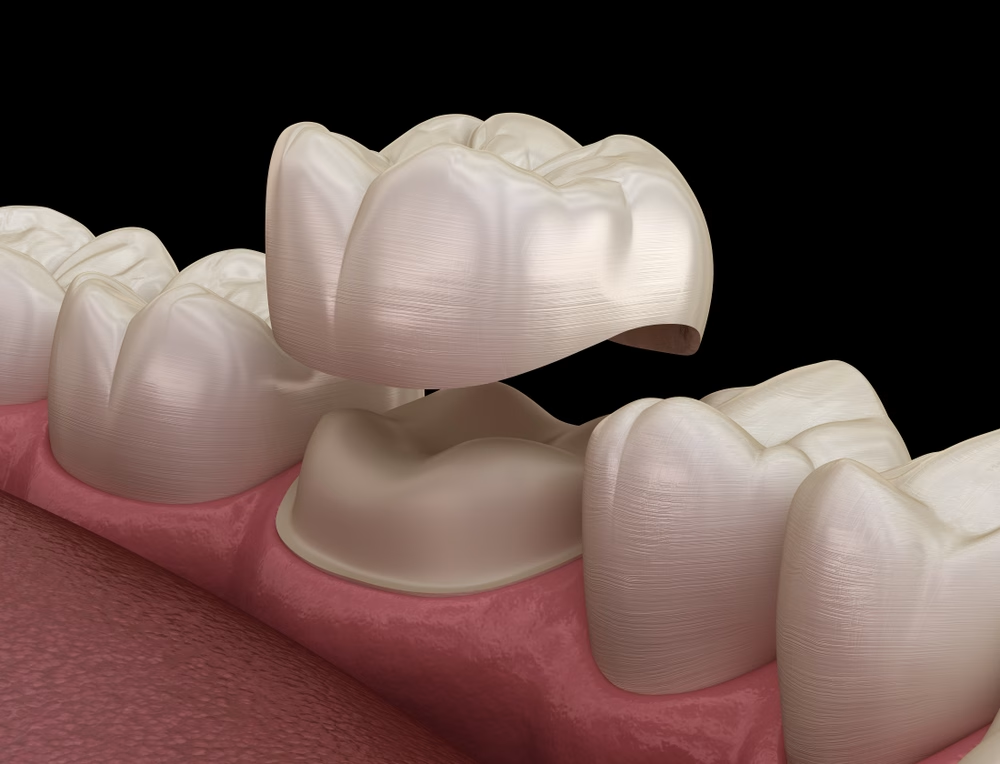



A damaged tooth can change the way you eat long before it changes the way you smile. You may begin chewing on the opposite side, avoiding crunchy foods, or feeling nervous every time you bite down. When a tooth has become too weak for a filling but can still be saved, a dental crown may provide the protection it needs.
Credit Family Dentistry provides dental crowns for patients in Van Nuys, CA who need to repair cracked, decayed, worn, or weakened teeth. A crown surrounds the visible part of the tooth, helping restore its strength, shape, appearance, and ability to withstand normal chewing forces.
Dr. Alyesh likes to begin by answering the question patients care about most: does this tooth truly need a crown? He evaluates how much healthy tooth structure remains, whether there is a crack or large filling, how the tooth functions within the bite, and whether a more conservative restoration could provide enough support. Patients deserve to understand why treatment is being recommended, not simply be told that they need it.
A Dental Crown Can Help Save a Tooth That Is Breaking Down
Dental crowns are custom restorations that cover the portion of a tooth above the gumline. They are often recommended when damage has become too extensive for a filling to repair predictably. By surrounding the weakened tooth, a crown helps hold the remaining structure together and distributes biting pressure across a stronger surface.
Crowns may be used to restore teeth affected by:
- Large cavities
- Cracks or fractures
- Significant enamel wear
- Large or failing fillings
- Root canal treatment
- Structural weakness
- Severe discoloration or irregular shape
- Dental implant treatment
- Dental bridge treatment
A crown is not simply placed over a problem and forgotten. The damaged or decayed portion of the tooth must first be evaluated and treated. The restoration is then designed around the healthy structure that remains.
For many patients, this creates an opportunity to keep a natural tooth that might otherwise continue deteriorating. Dental crowns are widely used to strengthen damaged teeth and restore their normal shape and function.
How Dr. Alyesh Decides Whether a Crown Is Appropriate
Not every cavity requires a crown, and not every cracked tooth can be saved with one. The recommendation depends on the condition of the individual tooth.
Dr. Alyesh considers several factors before recommending crown treatment:
- The amount of healthy tooth structure remaining
- The depth and location of decay
- Whether an existing filling is beginning to fail
- The position and severity of any crack
- Whether the tooth has undergone root canal therapy
- The pressure the tooth absorbs during chewing
- The health of the surrounding gums and bone
- The patient’s history of grinding or clenching
This careful evaluation helps avoid two common problems. The first is placing a filling in a tooth that is no longer strong enough to support one. The second is covering a tooth with a crown when a smaller restoration may be sufficient.
Dr. Alyesh prefers to preserve healthy tooth structure whenever that can be done responsibly. When full coverage is necessary, he explains what makes the crown a more protective choice for the long-term health of the tooth.
When a Filling Is No Longer Enough
A filling repairs a specific area of damage. A crown protects substantially more of the tooth.
Small and moderate cavities can often be restored successfully with fillings. However, when decay or an old restoration occupies a large portion of the tooth, placing another filling may leave the remaining walls vulnerable to fracture. A large filling can also behave like a wedge under chewing pressure if the natural tooth around it has become thin.
A crown may be more appropriate when:
- A substantial portion of the tooth is already missing
- The remaining walls are thin or cracked
- An old filling occupies much of the chewing surface
- The tooth has broken more than once
- Biting pressure causes pain
- A new filling would not provide reliable reinforcement
The purpose is not to make treatment more extensive than necessary. It is to prevent a weakened tooth from splitting in a way that could make it much more difficult, or impossible, to save.
Dental Crowns for Cracked Teeth
A cracked tooth can produce confusing symptoms. It may feel normal most of the time but hurt sharply when biting into something firm. Pain may occur when pressure is released rather than when it is first applied. Temperature sensitivity may come and go, making the problem easy to dismiss.
Unlike a broken bone, a crack in a tooth does not heal itself. If the crack is limited and the tooth remains restorable, a crown may help hold the tooth together and reduce movement between the cracked sections. Crowns are commonly recommended for cracked teeth because they provide coverage and redistribute chewing forces around the weakened structure.
The location and depth of the crack matter. A shallow crack may be manageable with a crown, while a crack extending far below the gumline can carry a less favorable outlook. Dr. Alyesh evaluates the tooth carefully and discusses what can reasonably be expected before moving forward.
Protecting a Tooth After Root Canal Treatment
A root canal treats infection or inflammation inside a tooth. A crown often protects the remaining tooth structure afterward. These procedures serve different purposes, but they frequently work together.
Teeth requiring root canal therapy may already have large cavities, fractures, or extensive fillings. Removing infected tissue from inside the tooth treats the source of pain, but it does not rebuild the weakened outer structure. This is especially important for molars and premolars, which absorb substantial chewing force.
A crown can help:
- Protect the treated tooth from fracture
- Restore the tooth’s shape and chewing surface
- Seal and cover the remaining structure
- Improve the appearance of a discolored tooth
- Help the tooth function normally again
Dr. Alyesh explains this distinction so patients understand why treatment may not be complete when the root canal itself is finished. The goal is not only to remove infection. It is to leave the tooth strong enough to function afterward.
Natural-Looking Crowns for Visible Teeth
Strength matters, but patients also care about appearance. A crown should not become the first thing people notice when you speak or smile.
Modern tooth-colored crowns can be designed to coordinate with nearby teeth in shade, shape, proportion, and surface character. Metal-free crowns are commonly selected when a natural appearance is especially important, including for teeth visible in the smile. Van Nuys crown providers frequently emphasize restorations that combine aesthetics with function and are personalized to the patient’s needs.
Dr. Alyesh pays attention to how the restored tooth relates to the surrounding smile. A crown that is technically strong but noticeably too bright, too wide, or poorly shaped will not feel like a successful result to the patient. The goal is a restoration that looks appropriate for your smile and feels natural when you use it.
What Happens During the Dental Crown Process?
Crown treatment begins with a comprehensive evaluation. Dr. Alyesh examines the tooth, reviews any necessary X-rays, and determines whether decay, infection, or structural damage must be addressed first.
The process may include the following steps:
Preparing the Tooth
The damaged or decayed portion is removed, and the tooth is shaped to create room for the crown. If a large amount of structure is missing, the tooth may first need to be rebuilt so the crown has adequate support.
Recording the Tooth and Bite
An impression or digital record is made so the restoration can be designed for the prepared tooth. The opposing teeth and bite relationship also matter because the crown must fit comfortably when the mouth closes.
Protecting the Tooth While the Crown Is Made
When a crown is fabricated outside the office, a temporary crown may be placed to protect the prepared tooth. Patients should be cautious with hard or sticky foods during this period because temporary restorations are not designed to function exactly like the final crown.
Placing the Final Crown
Once the custom restoration is ready, Dr. Alyesh evaluates its fit, appearance, contact with neighboring teeth, and relationship with the bite. Adjustments may be made before the crown is secured in place.
Traditional crown treatment often involves two appointments, although some practices use same-day systems to design and mill crowns during one visit. The specific process used for your tooth will be explained during treatment planning.
Why Bite Adjustment Is So Important
A crown can look excellent and still feel wrong if it sits even slightly too high in the bite. That extra pressure may cause tenderness, make chewing uncomfortable, or place unnecessary stress on the restored tooth.
Dr. Alyesh checks how the teeth come together and makes adjustments when needed. Patients should also speak up if the crown feels uneven after the numbness has worn off. A subtle bite issue can be difficult to evaluate while part of the mouth is still numb, but it can usually be corrected with a simple adjustment.
A properly fitted crown should feel stable and become an ordinary part of the bite rather than something the patient notices constantly.
Will Getting a Crown Hurt?
The tooth is typically numbed before it is prepared, with the goal of keeping the procedure comfortable. Patients may feel pressure or vibration, but treatment should not involve sharp pain.
Some temporary sensitivity may occur after the appointment. The gum around the tooth may also feel mildly tender, particularly if the area was already inflamed or the crown margin sits near the gumline. These sensations generally improve as the tooth and surrounding tissues settle.
Dr. Alyesh knows that patients may arrive worried because of previous dental experiences. He takes time to explain the procedure, answer questions, and help patients feel informed before treatment begins. His gentle approach and attention to detail are central to the patient experience at Credit Family Dentistry.
How Long Can a Dental Crown Last?
A crown is designed for long-term use, but no dental restoration is permanent. Its lifespan depends on the crown material, the condition of the supporting tooth, oral hygiene, chewing habits, and the amount of force placed on it.
Many crowns function for approximately 10 to 15 years, and some last longer with good care. However, averages cannot predict the lifespan of an individual restoration.
Factors that may shorten a crown’s lifespan include:
- Grinding or clenching
- Chewing ice or very hard foods
- Using teeth to open packaging
- Poor hygiene around the crown margin
- Gum disease
- Decay developing beneath the restoration
- Trauma to the tooth
- Delaying care when the crown becomes loose or damaged
Regular dental visits allow Dr. Alyesh to monitor the crown and the tooth supporting it. Early attention to small changes can sometimes prevent a larger problem.
Caring for a Crown Without Treating It Like It Is Fragile
A well-designed crown should allow you to eat and function normally. It does not need to be treated like delicate glass, but it does need the same consistent care as a natural tooth.
Brush around the crown thoroughly and clean between it and the neighboring teeth every day. Although the crown material cannot develop a cavity, the natural tooth at the edge of the restoration still can. Healthy gums are also important because inflammation or recession can expose the crown margin and affect the appearance and stability of the restoration.
Patients who grind or clench may benefit from a custom night guard. Dr. Alyesh may recommend one when he sees wear patterns or other signs that excessive pressure could place the crown and surrounding teeth at risk.
What If a Crown Comes Off or Breaks?
A loose or detached crown should be evaluated promptly. Do not assume the tooth is protected simply because it does not hurt. The exposed tooth may be sensitive, structurally vulnerable, or susceptible to bacterial contamination.
Keep the crown if it comes out, but do not use household adhesive to reattach it. Depending on the condition of the restoration and the tooth underneath, the crown may be recemented, repaired, or replaced. If decay or fracture is present beneath it, additional treatment may be necessary.
A chipped crown also deserves attention, even when the chip seems minor. Rough edges can irritate the tongue or cheek, and a visible defect may indicate that the crown has absorbed more force than it was designed to handle.
Dental Crowns and Missing Teeth
Crowns can restore natural teeth, but they can also be part of treatments that replace missing teeth.
An implant crown attaches to a dental implant and serves as the visible replacement tooth. A crown may also be incorporated into a dental bridge, where crowns on supporting teeth help hold an artificial tooth in the space between them.
These restorations may all be called crowns, but their roles and treatment processes differ. Dr. Alyesh explains how each option works so patients can understand whether the recommendation involves repairing an existing tooth or replacing one that is already missing.
A Personal Approach to Restorative Care
Patients often feel vulnerable when they are told that a tooth is cracked, heavily decayed, or at risk of breaking. They may worry about discomfort, appearance, cost, or whether the treatment will last.
Dr. Alyesh likes to make restorative treatment feel less overwhelming by showing patients what he sees and explaining the practical reason behind each recommendation. He does not want patients to leave with only the phrase “you need a crown.” He wants them to understand what is happening to the tooth, what the crown is intended to accomplish, and what alternatives may exist.
With more than 10 years of experience, Dr. Alyesh provides comprehensive general, cosmetic, implant, endodontic, and surgical dental care in a welcoming environment. Credit Family Dentistry also serves English- and Spanish-speaking patients, helping families communicate more comfortably about their treatment.
Dental Crowns for Van Nuys Patients
Credit Family Dentistry welcomes patients from Van Nuys and surrounding communities who need help with cracked teeth, large fillings, severe decay, root canal restoration, or aging crowns.
Whether you have sudden pain while biting or were recently told that a tooth is becoming weak, the first step is a careful evaluation. Dr. Alyesh will explain whether the tooth can be repaired with a filling, inlay, onlay, or crown and help you understand the advantages and limitations of each option.
Schedule a Dental Crown Consultation Near Van Nuys, CA
If you have a cracked, decayed, worn, or weakened tooth, call Dr. Alyesh at (818) 895-1321 to schedule an appointment. We will evaluate the tooth, explain whether a dental crown is appropriate, and recommend the treatment that best protects your comfort, chewing function, and long-term oral health.
A weakened tooth does not become stronger by waiting. Let our dental team help you protect it with a custom crown designed to restore stability, function, and confidence.