


Wisdom teeth can be unpredictable. Some people never feel them come in, while others deal with jaw pain, swelling, pressure, gum irritation, or sudden discomfort near the back of the mouth. If you live in Van Nuys and think your wisdom teeth may be causing problems, Family Credit Dentistry provides careful evaluation and wisdom teeth removal near Van Nuys, CA.
Dr. Alyesh takes a calm, patient-first approach to oral surgery. His goal is not to rush patients into treatment, but to understand what is happening, review the position of the wisdom teeth, explain the options clearly, and help each person feel comfortable before moving forward. For many patients, the most stressful part is not the procedure itself. It is the uncertainty of not knowing what to expect.
Wisdom teeth are also called third molars. They usually develop and appear between the ages of 17 and 25, although timing can vary from person to person. They do not always need to be removed, especially if they grow in fully, stay healthy, function properly, and can be cleaned well. When there is not enough space, however, they can become impacted, painful, infected, or difficult to maintain.
Family Credit Dentistry proudly serves patients from Van Nuys, Panorama City, North Hills, Arleta, Mission Hills, Pacoima, Granada Hills, and nearby San Fernando Valley communities. If you are searching for wisdom teeth removal in Van Nuys, CA, Dr. Alyesh and his team are here to make the process feel more understandable, more comfortable, and more manageable from the first visit.
Do Wisdom Teeth Always Need to Be Removed?
Not every wisdom tooth needs to come out. If a wisdom tooth erupts straight, has enough room, does not cause pain, stays cavity-free, and can be cleaned properly, Dr. Alyesh may recommend monitoring it during routine dental visits. The key is making sure the tooth is not creating hidden problems behind the scenes.
The challenge with wisdom teeth is that they sit far back in the mouth. Even when they partially come in, they can be difficult to brush and floss around. Food and bacteria may collect under the gum tissue, which can lead to swelling, bad taste, gum infection, cavities, or pain that comes and goes.
A wisdom tooth may need removal if it is impacted, tilted, trapped under the gums, pressing against the second molar, or causing repeated inflammation. It may also need to be removed if decay develops in a spot that cannot be restored predictably. Dr. Alyesh evaluates the full picture before recommending extraction.
This is why an exam and dental X-rays matter. Pain is important, but it is not the only sign of a problem. Some wisdom teeth can damage nearby teeth or create gum problems before a patient feels significant discomfort. Impacted wisdom teeth can also increase the risk of infection, cavities, gum disease, cysts, or damage to neighboring teeth.
Common Signs You May Need Wisdom Teeth Removal
Wisdom tooth symptoms are not always dramatic at first. Some patients feel mild pressure behind the second molars, while others notice soreness only when chewing. Over time, the discomfort may become more frequent, especially if the wisdom tooth is partially erupted or difficult to keep clean.
You may need a wisdom tooth evaluation if you notice pain near the back of your jaw, swelling around the gums, tenderness when biting, bad breath, a bad taste, headaches related to jaw pressure, or difficulty opening your mouth comfortably. Some patients also feel pressure that seems to move toward the ear, cheek, or jawline.
Another common sign is gum tissue that repeatedly becomes irritated around a partially erupted tooth. This can happen when a flap of gum tissue covers part of the wisdom tooth and traps food underneath. Even patients who brush carefully may struggle to keep that area clean.
Pain should never be ignored simply because it comes and goes. Wisdom tooth inflammation can settle down temporarily, then flare again later. Dr. Alyesh can examine the area, take X-rays, and let you know whether the tooth can be monitored, treated, or removed.
Impacted Wisdom Teeth in Van Nuys Patients
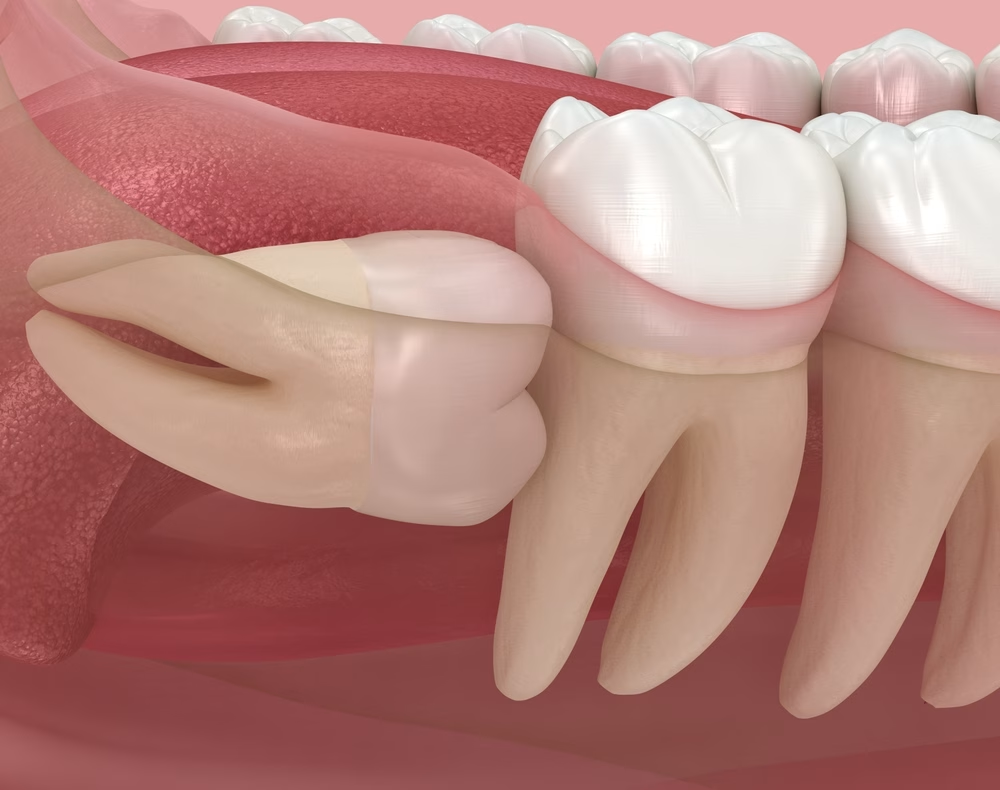
An impacted wisdom tooth is a tooth that cannot fully erupt into the mouth. This often happens because there is not enough space behind the second molars. The tooth may be angled forward, tilted backward, sideways, partially covered by gum tissue, or fully trapped beneath the gum and bone.
Soft tissue impaction means part of the tooth may be covered by gum tissue. This can make cleaning difficult and can allow food and bacteria to collect around the crown. Partial bony impaction means part of the tooth remains covered by bone, while complete bony impaction means the tooth is fully surrounded by bone and usually requires a more involved approach.
The type of impaction affects the treatment plan. A simple erupted wisdom tooth may be more straightforward to remove, while a deeply impacted tooth may require a surgical extraction. Dr. Alyesh reviews the X-rays and explains the position of the tooth so patients understand why a certain approach is recommended.
This is one of the reasons patients appreciate a clear consultation before wisdom teeth removal. You should not feel like you are being handed a vague recommendation. You should know what the problem is, what the risks are, what the procedure involves, and how recovery is expected to feel.
Wisdom Teeth Removal for Teens and Young Adults
Many wisdom tooth evaluations happen during the teenage years or early adulthood. This is often when wisdom teeth begin to develop, shift, or attempt to erupt. For parents in Van Nuys, this can be a good time to ask whether their teen’s wisdom teeth have enough space or may cause problems later.
Early evaluation does not always mean immediate removal. Sometimes Dr. Alyesh may recommend monitoring the teeth if they are not causing problems and do not appear risky. In other cases, earlier removal may be recommended because the tooth position suggests future pain, infection, or damage to adjacent teeth.
Younger patients often recover well, but every case is different. The timing depends on tooth development, root shape, jaw space, symptoms, medical history, and the patient’s comfort level. Dr. Alyesh takes time to explain the reasoning so parents and young adults can make informed decisions together.
For college students, athletes, and busy teens, planning matters. It is usually better to schedule wisdom teeth removal when there is enough downtime for rest and soft foods. Waiting until pain becomes severe can make the experience more stressful and less convenient.
Wisdom Teeth Removal for Adults
Adults can also need wisdom teeth removed. Some people keep their wisdom teeth for years without issues, then develop pain, decay, infection, or gum problems later. Others were told years ago to monitor their wisdom teeth and now want an updated opinion.
Adult wisdom teeth can sometimes be more complex because the roots may be fully formed and the surrounding bone may be denser. That does not mean treatment cannot be done comfortably. It does mean that a careful exam and personalized treatment plan are important.
Dr. Alyesh evaluates whether the wisdom tooth is restorable, cleanable, functional, or creating risk for nearby teeth. If removal is the best option, he explains the procedure, expected recovery, and any special considerations based on the patient’s health history.
For adults who are nervous about dental care, communication makes a major difference. Dr. Alyesh is known for his gentle approach and attention to detail, and the team works to keep each visit as calm and supportive as possible. The goal is to help patients feel respected, not judged.
What Happens During a Wisdom Teeth Consultation?
Your wisdom teeth consultation begins with a conversation. Dr. Alyesh will ask about your symptoms, how long they have been happening, whether the pain comes and goes, and whether you have noticed swelling, bad taste, difficulty chewing, or jaw stiffness. He may also ask about your medical history, medications, and previous dental experiences.
Next, the team will take any needed X-rays to see the position of the wisdom teeth. X-rays help show whether the teeth are erupted, partially impacted, fully impacted, angled toward neighboring teeth, or close to important structures. This information helps Dr. Alyesh determine whether removal is simple, surgical, urgent, or something that can be monitored.
After the exam, Dr. Alyesh will explain what he sees in plain language. He may recommend removing one wisdom tooth, multiple wisdom teeth, or monitoring the area if removal is not needed right away. If there is infection or swelling, he may also discuss how to manage the area before treatment.
This visit is also the right time to ask questions. Patients often want to know how many teeth should be removed, whether they can return to work or school, what foods to buy, how much discomfort is expected, and what warning signs to watch for after treatment. A good consultation should leave you feeling more confident, not more confused.
What Happens During Wisdom Teeth Removal?
Wisdom teeth removal depends on the position of the tooth. If the tooth has fully erupted, removal may be similar to a standard extraction. If the tooth is impacted, Dr. Alyesh may need to gently access the tooth through the gum tissue and remove it in a controlled way.
During wisdom tooth extraction, the area is numbed so the patient does not feel pain. Depending on the complexity of the case and the patient’s needs, comfort options may be discussed before treatment. Mayo Clinic notes that wisdom tooth removal may involve local anesthesia, sedation, or general anesthesia depending on the situation, complexity, and comfort level.
For impacted wisdom teeth, the procedure may involve opening the gum tissue, removing bone that blocks access, dividing the tooth into smaller sections if needed, removing the tooth, cleaning the site, placing stitches when appropriate, and using gauze to help a clot form. Not every case requires every step, but these are common parts of surgical wisdom tooth removal.
Dr. Alyesh explains the plan before beginning so you know what to expect. Patients are also given aftercare instructions to support healing at home. This includes how to manage bleeding, swelling, food choices, brushing, rinsing, and activity after the procedure.
Will Wisdom Teeth Removal Hurt?
During the procedure, the area is numbed to keep you comfortable. You may feel pressure or movement, but you should not feel sharp pain. If something does not feel right, Dr. Alyesh wants patients to speak up so adjustments can be made.
After the numbness wears off, soreness, swelling, and mild bleeding are common. The level of discomfort depends on the number of teeth removed, the level of impaction, the patient’s healing response, and how closely aftercare instructions are followed. Most people do best when they rest, use recommended pain relief as directed, and stick to soft foods during the early healing period.
Anxiety is also part of the experience for many patients. Some people are worried because of a past dental visit, while others are nervous because they have heard stories from friends. Dr. Alyesh’s approach is to slow things down, explain the process, and help patients feel cared for before, during, and after treatment.
Pain that gets worse several days after extraction is not something to ignore. It may be a sign of dry socket or another healing concern. If pain increases instead of improving, patients should contact the office so the area can be evaluated.
Recovery After Wisdom Teeth Removal
Recovery is an important part of the wisdom teeth removal process. The first day is usually focused on rest, gauze changes, hydration, and soft foods. You should avoid spitting forcefully, drinking through a straw, smoking, and strenuous activity because these can disturb the blood clot that forms in the extraction site.
Soft foods are usually best during the first 24 hours. Yogurt, applesauce, smoothies eaten with a spoon, mashed potatoes, scrambled eggs, oatmeal, and soups that are not hot can be easier to manage. As healing improves, patients can slowly return to more normal foods, but hard, crunchy, spicy, hot, or chewy foods should be avoided until the area is ready.
Mayo Clinic recommends drinking plenty of water after surgery, avoiding alcoholic, caffeinated, carbonated, or hot beverages during the first 24 hours, avoiding straws for at least a week, eating soft foods first, and being gentle with brushing and rinsing near the surgical site.
Swelling is usually most noticeable during the first few days. Cold compresses can help during the early stage, and keeping the head elevated may also reduce throbbing. Dr. Alyesh will give instructions based on your specific procedure, because recovery after one erupted wisdom tooth may be different from recovery after multiple impacted teeth.
Dry Socket and When to Call the Dentist
A dry socket can happen when the protective blood clot at the extraction site does not form properly, comes out too early, or dissolves before the area has healed. This exposes the underlying bone and nerves, which can cause intense pain. Mayo Clinic notes that dry socket pain often begins one to three days after tooth removal and may radiate toward the ear, eye, temple, or neck.
Symptoms can include severe pain within a few days after extraction, an empty-looking socket, visible bone, bad breath, a bad taste, or pain that spreads along the side of the face. Some discomfort is normal after wisdom tooth removal, but pain should gradually improve. If pain gets worse after initially feeling better, it is time to call.
Other warning signs include heavy bleeding, fever, pus, swelling that worsens after two or three days, difficulty swallowing or breathing, or numbness that does not improve. These symptoms should be taken seriously. Dr. Alyesh and the team can provide guidance and determine whether the area needs to be seen.
Following aftercare instructions lowers the risk of complications. Avoiding smoking, straws, aggressive rinsing, and heavy exercise early in recovery can help protect the clot. Gentle care at home makes a real difference.
Why Choose Family Credit Dentistry for Wisdom Teeth Removal Near Van Nuys?
Wisdom teeth removal is not just a technical procedure. It is an experience that requires trust, comfort, and clear communication. Patients want to know they are being treated by someone who will explain what is happening and help them feel safe throughout the process.
Dr. Alyesh has over 10 years of experience and provides a wide range of dental services, including oral surgery, general dentistry, cosmetic dentistry, dental implants, and endodontics. His background allows him to look at wisdom teeth as part of the full smile and bite, not as an isolated problem.
Patients appreciate his gentle approach, attention to detail, and focus on personalized treatment planning. The office also uses modern dental technology to support accurate diagnosis and comfortable care. For many families in the San Fernando Valley, that combination of skill, patience, and clarity is what makes the difference.
Family Credit Dentistry is also a bilingual dental office serving English-speaking and Spanish-speaking patients. This matters because patients should be able to understand their diagnosis, treatment options, and recovery instructions clearly. Better communication helps create better care.
Local Wisdom Teeth Removal for Van Nuys and Nearby Communities
Van Nuys patients do not have to wait until wisdom tooth pain becomes severe. If you are feeling pressure, swelling, or soreness near the back of your mouth, an evaluation can help you understand what is going on before the issue becomes more complicated. A wisdom tooth exam can also be helpful if your teen’s dentist has mentioned third molars or if you have not had updated dental X-rays in a while. Call Dr. Alyesh at (818) 895-1321 to schedule an appointment.
Family Credit Dentistry welcomes patients from Van Nuys, Panorama City, North Hills, Arleta, Pacoima, Mission Hills, Granada Hills, and surrounding communities. The office is family-friendly, welcoming, and focused on making dental care feel less intimidating.
Whether you need one wisdom tooth removed or a full evaluation of all four third molars, Dr. Alyesh will help you understand your options. The goal is not just to remove teeth. The goal is to relieve discomfort, protect nearby teeth, reduce future risk, and help you heal with confidence.
If you are searching for wisdom teeth removal in Van Nuys, CA, schedule a consultation with Family Credit Dentistry. Dr. Alyesh and his team are ready to help you take the next step with care that feels personal, gentle, and clear.